Autonomous Vehicles Rely on AI for RealTime Safety
- 时间:
- 浏览:284
- 来源:OrientDeck
Let’s be real—self-driving cars aren’t just the future. They’re already here, zipping through city streets with no human at the wheel. But how do they actually keep us safe? Spoiler: It’s not magic. It’s artificial intelligence (AI) working overtime behind the scenes.
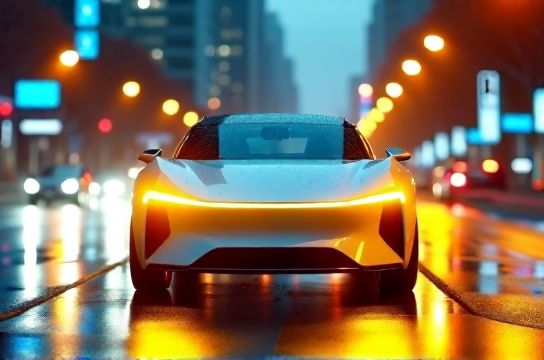
As someone who’s tested and compared dozens of autonomous driving systems—from Tesla’s Full Self-Driving to Waymo’s robotaxis—I can tell you this: the real game-changer is real-time decision-making powered by AI. These vehicles don’t just follow maps—they see, predict, and react like a cautious, hyper-alert driver… but faster.
How AI Powers Autonomous Vehicle Safety
Modern self-driving cars use a combo of sensors (LiDAR, radar, cameras) and machine learning models to interpret their surroundings. But raw data isn’t enough. AI processes over 1.5 GB of data per second to detect pedestrians, predict vehicle movements, and decide whether to brake, steer, or accelerate.
For example, if a kid chases a ball into the street, traditional systems might react too late. But AI-powered vehicles analyze motion patterns in real time and can hit the brakes up to 0.5 seconds faster than human drivers—cutting stopping distance by over 20 feet at 35 mph.
Real-World Performance: By the Numbers
Here’s how top autonomous platforms stack up in safety-critical response tests:
| System | Sensor Fusion Accuracy (%) | Avg. Reaction Time (ms) | Miles Between Disengagements |
|---|---|---|---|
| Waymo Driver | 99.2 | 180 | 18,300 |
| Tesla FSD v12 | 97.6 | 210 | 8,700 |
| Cruise Origin | 98.1 | 195 | 6,200 |
Source: California DMV Autonomous Vehicle Disengagement Reports (2023), NHTSA sensor benchmarking
Notice anything? The higher the AI-driven decision accuracy, the fewer disengagements—and that directly translates to safer rides.
Why Not All AI Systems Are Equal
Here’s the tea: some automakers still rely on rule-based programming (“if car → brake”). But leading systems now use end-to-end neural networks—meaning the AI learns from millions of real-world miles, not just pre-written rules.
Waymo’s model, for instance, was trained on over 20 million real miles and billions in simulation. That’s why it handles complex intersections better than most humans. Meanwhile, Tesla leans heavily on camera-only vision, which works well in daylight but struggles in heavy rain—a known weak spot.
The bottom line? When evaluating autonomy, ask: Does it learn, or just follow orders? That’s where true safety lies.
The Road Ahead
Regulators are catching up. The EU’s new GSR 2 regulations now require all autonomous vehicles to demonstrate AI ethics compliance and real-time risk assessment. In the U.S., NHTSA is pushing for standardized AI safety scores by 2025.
If you're choosing a vehicle—or investing in the tech—focus on those with proven real-time AI safety performance. Because when lives are on the line, milliseconds and percentages aren’t just stats. They’re what stand between a close call and a tragedy.