Autonomous Drones Use AI for Precision Delivery Tasks
- 时间:
- 浏览:230
- 来源:OrientDeck
Let’s be real—when you think of drones, you probably picture shaky wedding videos or maybe a lost Amazon package buzzing over your backyard. But the game has changed. Today’s autonomous drones use AI for precision delivery tasks in ways that feel straight out of a sci-fi flick—and they’re already reshaping logistics, agriculture, and emergency response.
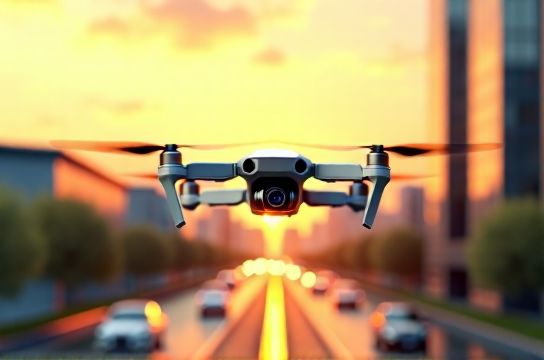
I’ve been tracking drone tech for years, from early hobbyist models to today’s smart-flying machines powered by machine learning. The big shift? It’s not just about flying anymore—it’s about thinking. Modern autonomous drones use AI to map routes, avoid obstacles, recognize drop zones, and even adapt mid-flight when weather changes. That’s next-level stuff.
How AI Powers Smarter Drones
At the core, these drones run on neural networks trained on massive datasets—think millions of flight hours simulated in digital environments. They process real-time data from LiDAR, cameras, and GPS to make split-second decisions. For example, Zipline’s delivery drones in Rwanda have completed over 500,000 medical deliveries with 99.9% success—all fully autonomous.
Here’s a quick look at how top drones stack up:
| Drone Model | AI Features | Max Range (km) | Payload Capacity (kg) | Autonomy Level |
|---|---|---|---|---|
| Zipline Zip | Obstacle avoidance, terrain mapping | 80 | 1.8 | Full autonomy |
| DJI Matrice 300 | Vision sensing, AI add-ons | 15 | 2.7 | Semi-autonomous |
| Wing (Alphabet) | Urban navigation, noise reduction | 12 | 1.2 | Full autonomy |
As you can see, autonomous drones aren’t all built the same. If you’re evaluating options, focus on range, payload, and true autonomy—not just marketing fluff.
Real-World Wins You Can’t Ignore
In healthcare, AI-powered delivery drones cut blood delivery times from 4 hours to under 15 minutes in rural Ghana. In farming, DJI Agras models use AI to analyze crop health and spray pesticides only where needed—cutting chemical use by up to 30%. And during disasters? Drones are now first responders, delivering supplies where roads are gone.
The bottom line? This isn’t future talk. It’s happening now—and the data proves it.
Want to stay ahead? Follow the leaders: Zipline, Wing, and Flytrex are pushing boundaries daily. Whether you're in logistics or just curious, understanding how autonomous drones use AI for precision delivery tasks is no longer optional—it’s essential.