The Rise of Chinese Electric Cars in Global Mobility Markets
- 时间:
- 浏览:270
- 来源:OrientDeck
If you've been paying attention to the auto world lately, you’ve probably noticed one big trend: Chinese electric cars are no longer just for the domestic market — they’re going global, and fast. As someone who’s been reviewing EVs and tracking mobility trends for over a decade, I can tell you this isn’t a flash in the pan. We’re witnessing a full-scale automotive shift.
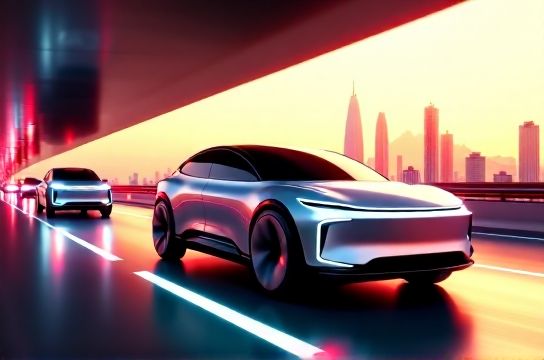
In 2023, China exported over 1.2 million electric vehicles, surpassing Germany to become the second-largest car exporter globally, according to the International Energy Agency (IEA). That number is expected to jump to 1.8 million by 2025. What’s fueling this surge? A mix of aggressive pricing, cutting-edge tech, and government-backed manufacturing scale.
Take BYD, for example. Once known only for batteries, it’s now outselling Tesla in certain markets like Thailand and Australia. In Q1 2024, BYD captured 38% of Thailand’s EV market — up from nearly zero two years ago. Compare that to legacy brands still rolling out one EV model every few years, and you start seeing why consumers are switching.
But it’s not just about price. Let’s bust a myth: Chinese EVs aren’t “cheap” anymore — they’re efficiently engineered. Models like the NIO ET7 or XPeng G9 offer features like LiDAR-driven driver assistance, over-the-air updates, and battery-swapping tech that most Western automakers are still testing.
Why Global Buyers Are Paying Attention
The real game-changer? Value per dollar. Below is a quick comparison of key specs across popular models available in Europe:
| Model | Battery Range (km) | 0-100 km/h (sec) | Price (EUR) | Charging Speed (kW) |
|---|---|---|---|---|
| BYD Atto 3 | 420 | 7.3 | 38,000 | 80 |
| NIO EL7 | 580 | 4.9 | 69,800 | 140 |
| Tesla Model Y | 533 | 6.9 | 52,990 | 250 |
| VW ID.4 | 520 | 8.5 | 47,500 | 135 |
As you can see, Chinese electric cars deliver strong range and performance at lower price points. And with brands setting up local service centers and partner networks in Norway, France, and Mexico, concerns about after-sales support are fading.
Another underrated factor? Software. While German and American automakers struggle with buggy infotainment systems, Chinese EVs come loaded with AI assistants, seamless app integration, and OTA updates that actually improve the car over time. It’s like upgrading your smartphone — but for your vehicle.
Of course, challenges remain. Trade tensions, especially in the EU and US, could lead to tariffs. The European Commission is currently investigating subsidies for Chinese EVs, which might result in duties of up to 25%. But even if prices rise slightly, the core value proposition holds.
Looking ahead, I believe the next three years will redefine global EV leadership. Legacy automakers need to innovate faster — or risk losing market share permanently. For consumers, this competition means better tech, lower prices, and more choice than ever before.
If you're shopping for an EV in 2024, don’t skip the Chinese electric cars section. You might just find the future of driving sitting quietly on the showroom floor.