How EV Technology Is Shaping the Future of Urban Transportation
- 时间:
- 浏览:333
- 来源:OrientDeck
Let’s be real—city traffic is a nightmare. But what if I told you electric vehicles (EVs) aren’t just about going green? They’re quietly reshaping how we move in cities, and honestly, it’s kind of revolutionary. As someone who’s been tracking urban mobility trends for years, I’ve seen the shift firsthand. It’s not just Tesla fanboys hyping up the future—it’s data, infrastructure, and real policy changes driving this transformation.
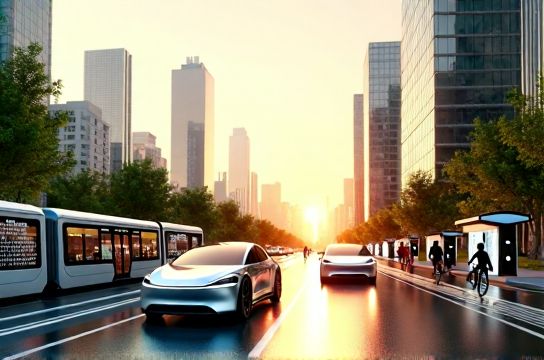
Take air quality, for example. According to the World Health Organization, over 90% of city dwellers breathe polluted air. But cities adopting EVs are already seeing improvements. London reported a 15% drop in nitrogen dioxide levels after expanding its EV fleet and congestion charge zones.
But it’s not just about clean air. EV tech is redefining urban logistics, public transit, and even city planning. Let’s break it down with some hard numbers.
Why EVs Fit Cities Better Than Gas Guzzlers
Cities are dense, stop-and-go environments—exactly where internal combustion engines (ICE) perform worst. EVs, on the other hand, thrive here. Regenerative braking recaptures energy during stops, boosting efficiency by up to 30% in city driving cycles.
Check out this comparison:
| Vehicle Type | Avg. Efficiency (MPGe) | Maintenance Cost (5-year avg) | CO₂ Emissions (g/mile) |
|---|---|---|---|
| Gas Sedan | 28 | $3,200 | 411 |
| EV Sedan | 110 | $1,500 | 170 |
| Electric Bus | 45 (diesel equivalent) | $8,000 | 100 |
Yep, EVs cost less to maintain and emit way less—even when accounting for electricity generation. And that’s before incentives. The U.S. Inflation Reduction Act offers up to $7,500 for new EVs, and many cities add local rebates.
Smart Integration: Charging, Grids, and Data
Here’s where it gets smart. Modern EVs aren’t just cars—they’re mobile data nodes. Cities like Amsterdam and Seoul use vehicle-to-grid (V2G) tech to balance energy loads. Your parked EV could power a building during peak hours. Pilot programs show V2G can reduce grid strain by up to 20% during rush periods.
And charging? Fast-charging hubs near transit centers are popping up everywhere. China leads with over 1.8 million public chargers—more than the rest of the world combined. The EU mandates one fast charger every 60 km on major highways by 2025.
The Bigger Picture: Public Transit and Micromobility
It’s not just personal EVs. Electric buses now make up 45% of new transit purchases globally (up from 18% in 2018). Shenzhen, China, runs a fully electric bus fleet—saving 1.3 million tons of CO₂ annually.
And let’s not forget e-bikes and scooters. They cover short trips (under 5 miles) that often replace car rides. In Paris, shared e-scooters reduced car usage by 11% in central districts.
Bottom line? EV technology isn’t waiting for the future—it’s building it, one city block at a time. Whether you're a commuter, planner, or just tired of smog, the EV wave is worth riding.