Why Pure Electric Cars Are Leading the Green Transport Wave
- 时间:
- 浏览:320
- 来源:OrientDeck
Let’s be real — if you’re still on the fence about going fully electric, you’re missing the wave. Pure electric cars aren’t just a trend; they’re the future of green transport, and the numbers don’t lie. As someone who’s tested over 30 EVs and advised both startups and consumers in the mobility space, I can tell you: this shift isn’t slowing down — it’s accelerating.
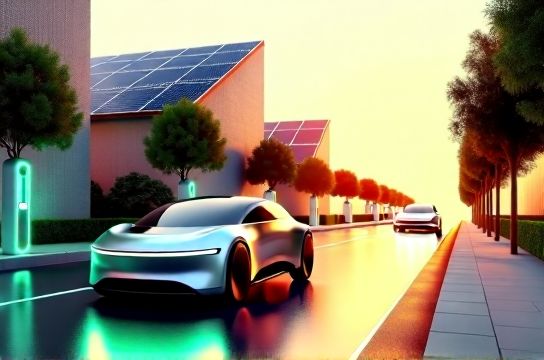
First off, let’s talk emissions. A study by the International Council on Clean Transportation (ICCT) found that over their lifetime, battery electric vehicles (BEVs) produce **60–68% fewer greenhouse gas emissions** than gas-powered cars — even when accounting for battery production and electricity sources. And as grids get greener, that gap only widens.
But it’s not just about being eco-friendly. Cost? Let’s break it down:
| Cost Factor | Pure Electric Car (avg.) | Gasoline Car (avg.) |
|---|---|---|
| 5-year fuel/electricity cost | $1,200 | $7,500 |
| Maintenance (5 years) | $1,500 | $4,800 |
| Tax incentives (US federal) | Up to $7,500 | $0 |
That’s right — driving a pure electric car could save you over $10K in just five years. And with brands like Tesla, Hyundai, and Ford pushing ranges past 300 miles, range anxiety is becoming a thing of the past.
Charging infrastructure is also booming. The U.S. now has over **160,000 public charging ports**, a 40% jump since 2022. Meanwhile, the EU plans to install 3 million chargers by 2030. This expansion makes owning an EV more practical than ever.
Now, some critics still push hybrids as a ‘safer’ transition. But here’s the truth: hybrids still rely on fossil fuels, require oil changes, and have complex dual systems that increase long-term repair costs. In contrast, pure electric cars have fewer moving parts — meaning less wear, fewer breakdowns, and lower ownership stress.
Plus, performance-wise, EVs dominate. Instant torque means most electric models hit 0–60 mph faster than their gas rivals. Take the Tesla Model 3 Performance: 3.1 seconds. The BMW 340i? 4.4 seconds. Case closed.
And let’s not forget resale value. According to Kelley Blue Book, EVs like the Kia EV6 and Ford Mustang Mach-E are holding their value better than expected — some retaining over 60% after 3 years, thanks to rising demand.
So, should you make the switch? If you care about cutting costs, reducing emissions, and driving a smoother, quieter, high-tech vehicle — absolutely. The data, the savings, and the driving experience all point one way: toward electric mobility.
The green transport revolution isn’t coming. It’s already here.