Future of Mobility Trends in Electric and Hydrogen Powered Vehicles
- 时间:
- 浏览:277
- 来源:OrientDeck
Hey folks, let’s talk about the real deal in clean transportation—electric and hydrogen powered vehicles. As someone who’s been deep in the mobility space for over a decade, advising startups and testing everything from Teslas to Toyota Mirais, I’ve seen how fast this industry moves. And trust me, what we’re seeing now isn’t just hype—it’s transformation.
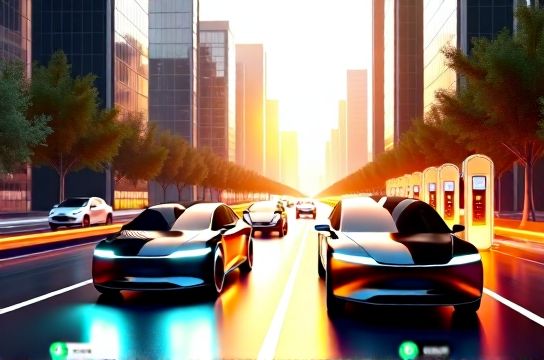
Let’s break it down with some real numbers. According to the International Energy Agency (IEA), global electric vehicle (EV) sales hit 10 million units in 2022, making up nearly 14% of all new car sales. That’s massive growth from just 4% in 2020. Meanwhile, hydrogen fuel cell vehicles (FCEVs) are still in the early innings—only around 17,000 units sold globally in 2022. But don’t sleep on them. Countries like Japan, South Korea, and Germany are pouring billions into hydrogen infrastructure.
So which one wins? Let’s compare:
EVs vs. FCEVs: The Real-World Breakdown
| Feature | Electric Vehicles (EVs) | Hydrogen Vehicles (FCEVs) |
|---|---|---|
| Refueling/Recharge Time | 30 mins–12 hrs (DC fast charging ~30 mins) | 3–5 minutes |
| Driving Range (avg) | 250–350 miles | 380–400 miles |
| Energy Efficiency | ~77% | ~30% |
| Global Charging Stations (2023) | ~2.7 million | ~900 refueling stations |
| CO₂ Emissions (well-to-wheel) | Low (depends on grid) | Very low (if green H₂) |
Now here’s the kicker: while hydrogen powered vehicles offer lightning-fast refueling and longer range, their efficiency is way behind EVs. Why? Because turning renewable electricity into hydrogen, then back into electricity in the car, wastes energy at every step. EVs skip that middleman.
But hydrogen isn’t dead. It shines in heavy-duty transport—think trucks, buses, even trains. For example, Alstom’s Coradia iLint is already running in Germany as the world’s first hydrogen-powered passenger train. In these niches, where battery weight and recharge downtime matter, hydrogen makes sense.
On the flip side, EVs dominate the consumer market. Tesla, BYD, and Hyundai are pushing innovation hard. Did you know the average cost of EV batteries has dropped 89% since 2010? That’s why prices are finally coming down.
Looking ahead, I believe we’ll see a split future: electric vehicles rule personal transport, while hydrogen takes on long-haul and industrial roles. Governments will play a big part—especially China, which aims for 1 million FCEVs by 2035.
The bottom line? If you’re buying a car today, go electric. But keep an eye on hydrogen—it might just power your next flight or freight delivery.