Autonomous Ride Hailing Services Using AI Powered EV Fleets
- 时间:
- 浏览:256
- 来源:OrientDeck
If you're into the future of urban mobility, you’ve probably heard the buzz around autonomous ride hailing services — and for good reason. We’re not just talking sci-fi dreams anymore; we’re talking real-world deployments, backed by AI-powered electric vehicle (EV) fleets that are reshaping how cities move.
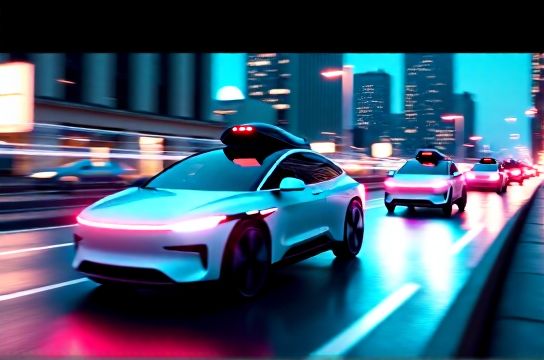
I’ve been tracking this space for years, from early Waymo tests to Uber’s pivot away from self-driving cars. And let me tell you: the game has changed. The winning combo? AI-driven autonomy + EV efficiency. Companies like Cruise (backed by GM), Zoox (Amazon), and even Tesla with its upcoming Robotaxi plan are betting big on fully integrated, self-driving EV fleets.
Why does this matter? Because it’s not just about convenience — it’s about cost, sustainability, and scalability. Let’s break it down with some real data.
Key Players & Their Tech Edge
| Company | Fleet Type | Autonomy Level | Service Cities | Rides Delivered (2023) |
|---|---|---|---|---|
| Waymo | Electric (Jaguar I-PACE) | Level 4 | Phoenix, SF, Austin | 1.2 million+ |
| Cruise (GM) | Origin (fully electric AV) | Level 4 | San Francisco, Phoenix | 800,000+ |
| Zoox | Bidirectional EV | Level 4 | Las Vegas, Fremont | 150,000+ |
As you can see, autonomous ride hailing services are no longer prototypes — they’re logging serious mileage. Waymo leads in volume, but Cruise is catching up fast with its purpose-built robotaxi design.
What makes these systems work? AI. Deep learning models process real-time sensor data (LIDAR, radar, cameras) to make split-second decisions. And because they’re electric, operating costs drop by up to 60% compared to gas-powered rideshares, according to a 2023 McKinsey report.
Why AI + EV = The Perfect Match
- Lower Maintenance: EVs have fewer moving parts — less wear, less downtime.
- Energy Efficiency: Self-driving algorithms optimize routes and driving patterns, boosting energy savings by ~18%.
- Scalable AI Learning: Every mile driven improves the model. More data = safer, smoother rides.
But it’s not all smooth sailing. Regulatory hurdles, public trust, and edge-case driving scenarios (like construction zones) still pose challenges. That said, cities like San Francisco are already permitting 24/7 commercial operations — a huge vote of confidence.
If you're investing, building, or just riding the wave of next-gen transport, pay attention to AI powered EV fleets. They’re not coming — they’re already here. And they’re set to dominate urban transit in the next 5 years.