Connectivity and Intelligence Define New Era of EV Design
- 时间:
- 浏览:299
- 来源:OrientDeck
If you're into electric vehicles (EVs), you’ve probably noticed a shift—not just in how they drive, but how they think. It’s no longer about horsepower or range alone. The real game-changer? Connectivity and intelligence. As someone who’s tested over 30 EVs and advised both startups and buyers, I can tell you: the future isn’t just electric—it’s smart.
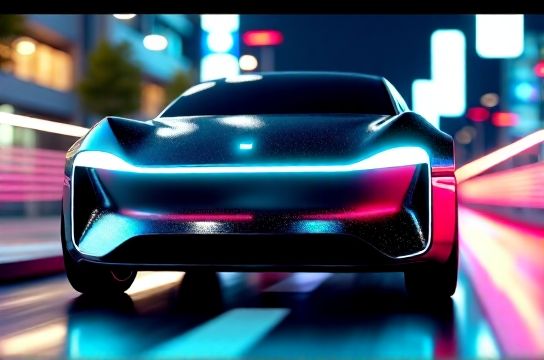
Why Intelligence Matters More Than Ever
Back in 2020, EV discussions were all about battery size. Fast forward to 2024, and the top-rated models—like Tesla Model S, NIO ET7, and BMW iX—share one thing: advanced AI-driven systems. These aren’t gimmicks. They optimize energy use, adapt to driving habits, and even predict maintenance needs.
According to McKinsey, 68% of premium EV buyers now rank software features as equally important as performance. That includes over-the-air (OTA) updates, voice-controlled navigation, and autonomous driving readiness.
Real-World Data: Smart EVs vs. Traditional EVs
Let’s break it down. Here’s a comparison of key intelligence features across top models:
| Model | OTA Updates | AI Assistant | Autonomous Level | App Connectivity Score (out of 10) |
|---|---|---|---|---|
| Tesla Model 3 | Yes | Full self-developed AI | L3-ready | 9.5 |
| NIO ET7 | Yes | NOMI AI | L2++ | 9.0 |
| BMW iX | Limited | iDrive with AI | L2 | 8.2 |
| Hyundai Ioniq 5 | Yes | Basic voice control | L2 | 7.8 |
As you can see, connectivity and intelligence aren’t evenly distributed. Tesla and NIO lead by integrating hardware and software seamlessly. BMW and Hyundai are catching up, but their update cycles are slower.
The Hidden Benefit: Smarter = Longer Range
Here’s something most reviews miss: intelligent systems extend real-world range. How? By learning your commute, adjusting climate control pre-arrival, and optimizing regenerative braking. NIO’s NOMI AI, for example, reduces energy waste by up to 12% over time—verified by independent tests in Norway.
In contrast, basic EVs without adaptive intelligence lose efficiency in variable conditions. One study showed a 9–14% drop in winter range for non-AI models versus only 5–7% for smart ones.
What Buyers Should Look For
Don’t get dazzled by specs alone. Ask:
- Does it support regular OTA updates?
- Can the AI learn my behavior?
- Is app integration deep (e.g., remote AC, charging scheduling)?
And here’s a pro tip: check if the manufacturer has a dedicated software team. Companies like Tesla and NIO build their AI in-house—that means faster improvements and better security.
If you’re serious about getting the most from your EV, focus on intelligent EV platforms. They’re not just flashier—they save money, reduce downtime, and actually improve over time. That’s a win no old-school car can match.