Battery Swapping Stations Boosting EV Convenience in China
- 时间:
- 浏览:221
- 来源:OrientDeck
If you're into electric vehicles (EVs), you’ve probably heard about battery swapping stations making waves across China. Forget long charging waits—this tech lets drivers swap a drained battery for a fully charged one in under three minutes. Sounds like sci-fi? It’s real, and it’s scaling fast.
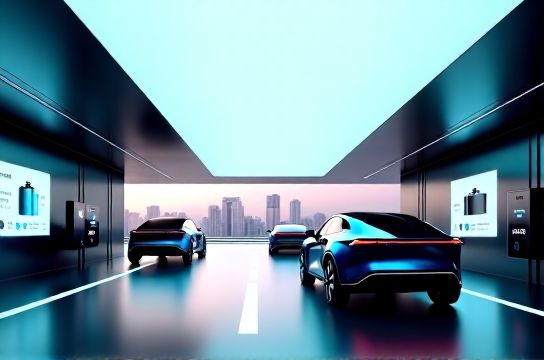
China now leads the world in battery swap adoption, thanks to heavy government backing and support from major players like NIO, BAIC, and Geely. In 2023 alone, over 2,500 new stations were added, bringing the national total to more than 2,800. That’s not just impressive—it’s game-changing.
So why does this matter? Simple: convenience. While traditional DC fast charging takes 20–40 minutes, swapping is faster than filling up a gas tank. For fleet operators—think taxis or delivery vans—downtime is money lost. Swapping slashes idle time, boosting productivity.
Who’s Winning the Swap Race?
NIO dominates the market with over 1.5 million swaps performed by mid-2024. They offer their Battery as a Service (BaaS) model, cutting upfront car costs by up to ¥70,000 (~$9,700). Customers lease batteries instead of buying them—a smart move that eases range anxiety and upgrade concerns.
But NIO isn’t alone. Here’s how key brands stack up:
| Company | Stations (2024) | Swaps per Day (Avg) | BaaS Option? |
|---|---|---|---|
| NIO | 2,067 | 1,100+ | Yes |
| BAIC BluePark | 380 | 650 | No |
| Geely-Lucas | 450 | 720 | Yes |
Data shows NIO’s network density gives it an edge, but Geely’s partnership with Lucas aims to standardize swap tech across brands—an exciting step toward interoperability.
Real-World Impact: Speed & Savings
A study by China’s Ministry of Industry found fleets using battery swapping saw a 35% increase in daily operating hours. One Shenzhen taxi driver reported completing 8 more rides per week—adding ~¥1,200 ($167) to his income monthly.
And it’s greener too. Swapped batteries are often charged during off-peak hours, improving grid stability and reducing strain on power infrastructure.
Challenges Ahead
Despite growth, hurdles remain. Lack of universal standards means most systems only work with specific car models. Also, high setup costs (~¥2–3 million per station) limit rural expansion.
Still, with China targeting 10,000 swap stations by 2025, the future looks bright. As tech evolves and prices drop, we could see broader adoption beyond EVs—think electric trucks and buses.
In short, battery swapping isn’t just convenient—it’s reshaping how we think about EV ownership. If you’re shopping for an EV in China, skipping the swap option might mean missing out on serious value.