Modular EV Architectures Enable Faster Model Development
- 时间:
- 浏览:310
- 来源:OrientDeck
If you're into electric vehicles (EVs), you’ve probably heard automakers brag about how fast they’re rolling out new models. But here’s the real tea: it’s not magic—it’s modular EV architectures. Think of it like LEGO for cars. Once you’ve got a solid base platform, snapping on different bodies, batteries, and tech becomes way faster and cheaper.
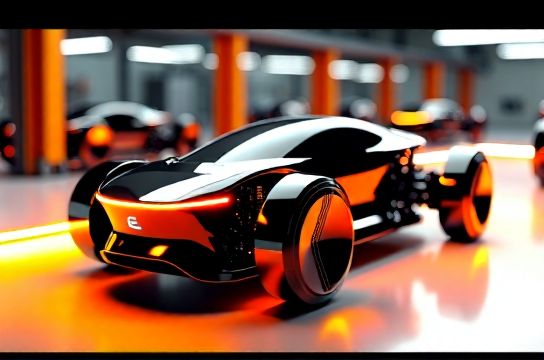
Big players like Volkswagen with its MEB platform or Tesla’s Skateboard design aren’t just building cars—they’re building ecosystems. According to McKinsey, using modular platforms can cut development time by up to 30% and reduce R&D costs by over $1 billion per manufacturer over five years. That’s not chump change.
Why Modular Beats Custom Every Time
Back in the day, every new car needed a ground-up redesign—new chassis, new wiring, new headaches. Now? A single modular architecture supports sedans, SUVs, even vans. Take VW’s MEB: one platform, over 50 million units planned across eight brands through 2030.
Here’s a quick look at how leading platforms stack up:
| Platform | Manufacturer | Battery Range | Models Supported | Development Time Saved |
|---|---|---|---|---|
| MEB | Volkswagen Group | 300–550 km | 15+ | ~25–30% |
| Skateboard | Tesla | 400–650 km | 5 | ~35% |
| e-GMP | Hyundai-Kia | 350–600 km | 10+ | ~30% |
As you can see, these aren’t just minor upgrades—they’re game-changers. And if you're wondering how this affects you as a buyer, more models mean more competition, which means better prices and innovation.
The Real Winner? Speed to Market
In the EV race, being first matters. General Motors’ Ultium platform lets them deploy everything from the Chevy Silverado EV to the Cadillac Lyriq without starting from scratch. That agility is why GM plans to launch 30 new EVs globally by 2025.
But it’s not just about speed—scalability matters too. Smaller brands like Polestar or Rivian are now adopting semi-modular designs to keep up. Even startups can license parts of existing architectures to avoid reinventing the wheel.
For industry watchers, the message is clear: the future of EVs isn’t just battery tech or charging networks—it’s smart engineering from the ground up. And if you want to understand where the market’s headed, follow the platforms.
So next time someone says ‘this EV feels familiar,’ they might be onto something. It’s not copycatting—it’s smart design. And with modular EV architectures becoming standard, we’re entering an era where innovation scales faster than ever.