Vehicle to Grid Technology Turns EVs Into Power Sources
- 时间:
- 浏览:255
- 来源:OrientDeck
Think your electric vehicle (EV) is just for getting from A to B? Think again. With vehicle to grid (V2G) technology, your car can now become a mobile power station — earning you money while helping stabilize the energy grid. As someone who’s been tracking smart energy trends for years, I’ve seen V2G evolve from lab experiment to real-world solution, and it’s time you understood why this tech is a total game-changer.
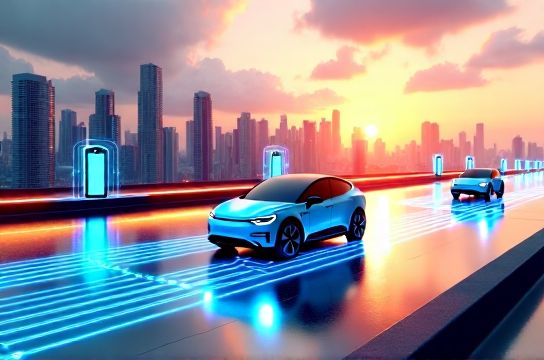
V2G allows bidirectional charging: instead of just pulling electricity from the grid, your EV can push excess energy back during peak demand. This isn’t sci-fi — cities like London and Tokyo are already running pilot programs with fleets of Nissan Leafs powering homes and offices. According to a 2023 report by BloombergNEF, widespread V2G adoption could unlock up to $18 billion in annual grid services value by 2030.
Here’s how it works: when your EV is parked (which is about 95% of the time, on average), its battery connects to a smart charger that communicates with the grid. During high-demand periods — say, 6–9 PM when everyone’s cooking dinner and turning on ACs — the system draws a small amount of power from your car, reimbursing you per kWh supplied. You set the minimum charge level (like 20%), so you never get stranded.
Let’s break down the financial upside using real data:
| Country | Avg. Daily Earnings (USD) | Annual Potential (USD) | Common EV Model Used |
|---|---|---|---|
| UK | 3.20 | 1,168 | Nissan Leaf |
| Japan | 2.75 | 1,004 | Mitsubishi Outlander PHEV |
| USA (CA) | 4.10 | 1,497 | Ford F-150 Lightning |
Data sourced from ongoing utility trials in 2023–2024. Yes, you’re reading that right — some drivers are pocketing over $1,400 a year just by leaving their car plugged in.
But it’s not all about cash. V2G strengthens grid resilience, reduces reliance on fossil-fuel “peaker” plants, and supports renewable integration. For example, during California’s heatwaves, utilities have used V2G-enabled trucks to discharge power back into the grid, avoiding blackouts without burning more gas.
Of course, there are caveats. Battery degradation is a concern, though recent studies from the University of Michigan show that smart charging algorithms reduce wear to less than 2% over five years. Also, not all EVs support bidirectional charging yet. Look for models like the Nissan Leaf (with CHAdeMO), Mitsubishi Outlander PHEV, or the Ford F-150 Lightning — which can even power a house via its Intelligent Backup Power feature.
The real bottleneck? Infrastructure. You’ll need a V2G-compatible charger (like the Wallbox Quasar) and a utility partner offering demand-response programs. In the U.S., companies like Fermata Energy and Nuvve are teaming up with employers to install V2G stations at workplaces — turning employee parking lots into virtual power plants.
If you're considering joining the movement, start by checking if your utility offers vehicle to grid incentives. Early adopters aren’t just saving money — they’re shaping the future of decentralized energy.