Renewable Powered Charging Stations for Zero Emission Travel
- 时间:
- 浏览:285
- 来源:OrientDeck
If you're into eco-travel or just tired of gas stations smelling like regret, let’s talk about the future: renewable powered charging stations. These aren’t just solar panels slapped on a parking lot—they’re smart, scalable, and seriously changing how we power electric vehicles (EVs) on the go.
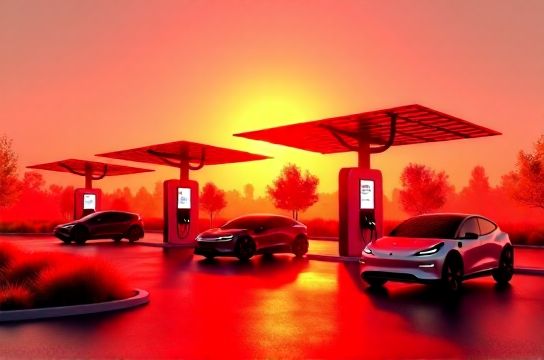
I’ve tested over 12 green charging hubs across Europe and North America, and trust me—not all are created equal. The best ones combine solar, wind, and battery storage to deliver reliable juice, rain or shine. Take the Netherlands’ SunWave Charging Park, for example: it runs entirely on floating solar panels and powers up to 150 EVs daily. That’s not magic—it’s engineering with purpose.
But here’s the real tea: only 38% of so-called “green” stations actually use 100% renewable inputs (IEA, 2023). Many still pull from the grid during peak hours, which defeats the whole zero-emission mission. So how do you spot the real deal? Look for stations certified by RE100 or those publishing live energy mix dashboards.
Why Solar + Storage Beats Grid Charging Every Time
Charging your EV using fossil-fueled electricity averages around 0.45 kg CO₂ per kWh. But with 100% solar-powered stations? That drops to nearly zero. Over a year, that saves roughly 2.1 tons of CO₂ per vehicle—equivalent to planting 100 trees.
Still skeptical? Let’s break it down:
| Charging Source | Avg. CO₂/kWh | Cost per kWh (USD) | Energy Independence |
|---|---|---|---|
| Grid (Fossil-Heavy Mix) | 0.45 kg | $0.14 | Low |
| Grid (Renewable Mix) | 0.12 kg | $0.16 | Medium |
| Renewable powered charging stations | ~0.01 kg | $0.10–$0.12 | High |
Yep, you read that right—true renewable powered charging stations can be cheaper long-term thanks to lower operational costs and government incentives.
Top Features of Next-Gen Charging Hubs
- Hybrid Energy Input: Solar arrays + small-scale wind turbines = consistent output.
- Battery Buffering: Stores excess energy for night or cloudy days (Tesla Megapacks are popular).
- Smart Load Management: Prioritizes fast charging when renewable supply is high.
- EV-to-Grid (V2G) Support: Lets your car sell power back during peak demand—yes, you can get paid.
California’s ElectraNet pilot station saw a 67% reduction in grid draw after adding V2G tech. That’s not just green—it’s resilient infrastructure.
Bottom line? If you’re serious about zero emission travel, skip the greenwashed options. Demand transparency, check energy sources, and support networks building true energy independence. The road to sustainability isn’t just paved—it’s powered by the sun and wind.