Autonomous Delivery Vehicles Using EV and AI Technologies
- 时间:
- 浏览:305
- 来源:OrientDeck
If you're keeping an eye on the future of logistics, one thing’s for sure: autonomous delivery vehicles are no longer sci-fi—they’re hitting sidewalks and streets right now. As a tech-savvy mobility blogger who’s been tracking last-mile innovation for over five years, I’ve seen how electric vehicles (EVs) and artificial intelligence (AI) are teaming up to transform urban deliveries. Let me break it down with real data, not hype.
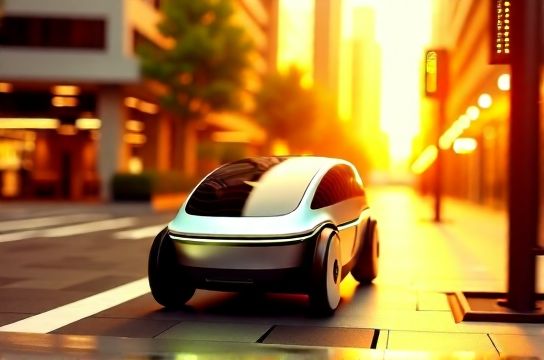
The global market for self-driving delivery bots is projected to hit $18.9 billion by 2030, growing at a CAGR of 27.4% (MarketsandMarkets, 2023). Why? Because e-commerce demand is skyrocketing—especially post-pandemic—and companies need faster, cheaper, greener ways to deliver packages. That’s where autonomous delivery vehicles using EV and AI technologies come in.
Take cities like Milton Keynes or San Francisco, where Starship Technologies’ sidewalk robots have completed over 5 million deliveries. Or Nuro, which partnered with Domino’s and FedEx, running fully driverless EVs on public roads. These aren’t prototypes—they’re operational fleets cutting delivery costs by up to 40% compared to traditional vans.
Here’s a quick comparison of leading autonomous delivery platforms:
| Company | Vehicle Type | Battery Range | Max Speed | AI Features |
|---|---|---|---|---|
| Starship | Sidewalk Robot | 16–24 miles | 4 mph | Pedestrian detection, real-time routing |
| Nuro R2 | Street-Level EV | 120 miles | 25 mph | Lidar + camera fusion, remote assistance |
| Amazon Scout | Sidewalk Rover | 20 miles | 10 mph | Obstacle avoidance, GPS navigation |
As you can see, these machines aren’t just cute gadgets. They’re purpose-built, energy-efficient, and packed with smart sensors. The AI doesn’t just steer—it learns. Machine learning models analyze traffic patterns, weather, and even pedestrian behavior to optimize every route. And because they’re electric, their carbon footprint is minimal. In fact, a single Starship robot emits about 0.01 kg CO₂ per delivery, versus 1.2 kg for a gas-powered van (MIT Study, 2022).
But here’s the real kicker: scalability. While human drivers face fatigue and labor limits, autonomous EVs can operate nearly 24/7 with minimal maintenance. Companies report up to 3x daily usage rates during peak hours. Plus, with 5G connectivity and edge computing, response times are lightning-fast.
Of course, challenges remain—regulations vary by city, and public trust takes time. But early adopters are already seeing ROI. Universities, corporate campuses, and gated communities are ideal launch zones, offering controlled environments and high delivery volume.
Looking ahead, I believe the integration of AI-powered electric delivery systems will redefine urban logistics. Whether you're a business owner or a city planner, now’s the time to explore how this tech fits into your strategy. The road to autonomy isn’t coming—it’s already here.