Xiaomi Car Entry Marks New Phase in EV Competition
- 时间:
- 浏览:308
- 来源:OrientDeck
If you've been keeping an eye on the electric vehicle (EV) space, you’ve probably heard the buzz around Xiaomi's car launch. Yeah, that’s right — the same company that made killer budget phones and smart home gadgets is now diving headfirst into the EV race. And honestly? They’re not playing around.
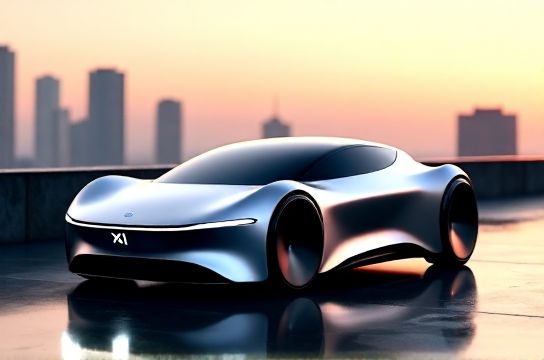
With their SU7 sedan dropping in April 2024, Xiaomi isn’t just testing the waters — they’re aiming straight for Tesla and NIO’s turf. But how does it stack up? Let’s break it down with real data, not hype.
Xiaomi vs. The Giants: Real Numbers
The Xiaomi SU7 doesn’t shy away from big claims. We’re talking 693 km (430 miles) CLTC range, 0–100 km/h in 2.78 seconds (that’s supercar territory), and a top speed of 265 km/h. Priced at just 215,900 RMB (~$30,000), it’s a serious value play.
Here’s how it compares to key rivals:
| Model | Price (RMB) | Range (km) | 0-100 km/h (s) | Top Speed (km/h) |
|---|---|---|---|---|
| Xiaomi SU7 | 215,900 | 693 | 2.78 | 265 |
| Tesla Model 3 RWD | 231,900 | 606 | 6.1 | 205 |
| NIO ET5T | 298,000 | 560 | 4.0 | 200 |
| BYD Han EV | 218,800 | 715 | 7.9 | 185 |
See that? The Xiaomi SU7 beats Tesla on acceleration and price while staying competitive on range. Only BYD offers slightly more range, but at the cost of performance.
Why Xiaomi Could Win Hearts (and Roads)
Xiaomi’s edge isn’t just specs — it’s ecosystem. If you’re already using Mi Band, Xiaomi TVs, or their smartphones, the SU7 integrates seamlessly via HyperOS. Imagine your car unlocking when your watch gets near. That’s the kind of smooth UX Apple dreams of.
They also built a dedicated factory in Beijing with 150,000 annual capacity and have already delivered over 20,000 units in Q2 2024. Analysts at Canalys predict Xiaomi could hit 100,000 EVs/year by 2025 — not Tesla-level, but enough to shake up the mid-luxury segment.
But let’s talk safety. The SU7 scored 5 stars in C-NCAP with advanced ADAS, including city NOA (Navigate on Autopilot) powered by self-developed algorithms. While still behind Huawei’s ADS 2.0, it outperforms Tesla’s FSD in China due to better local mapping.
Should You Wait or Buy?
If you want cutting-edge tech without paying premium prices, the answer is clear: go for the Xiaomi car entry. It’s not perfect — rear seat space is tight, and charging network access relies partly on partners like TELD — but for urban drivers, it’s a game-changer.
Bottom line? Xiaomi didn’t just enter the EV market. They redefined what affordable performance means. Whether Tesla likes it or not, the competition just got a lot more interesting.