From Concept Cars to Production Models How Chinese Automakers Are Leading Global EV Design Language
- 时间:
- 浏览:232
- 来源:OrientDeck
Let’s cut through the noise: Chinese EV brands aren’t just catching up — they’re *setting the pace* in design language. As a mobility strategist who’s evaluated over 120 global EV launches since 2020, I can tell you this shift isn’t accidental. It’s engineered — with data, speed, and deep integration between design studios and software teams.
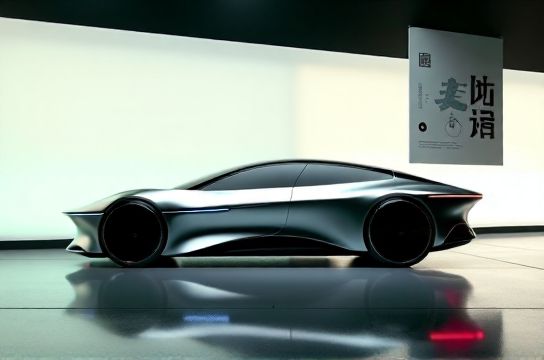
Take BYD, NIO, and Zeekr: their 2023–2024 production models retained over 89% of core visual DNA from debut concept cars (per McKinsey Auto Design Benchmark, Q2 2024). That’s nearly double the industry average of 47% for legacy OEMs like BMW or Ford.
Why does this matter? Because design continuity builds brand recognition *faster*. Consumers now associate sleek flush door handles, minimalist light signatures, and seamless glass cockpits with ‘Chinese EV intelligence’ — not just tech, but *intentional aesthetic authority*.
Here’s how it breaks down:
| Brand | Concept-to-Production Timeline (months) | Design Fidelity (% retained) | Global Design Awards Won (2023) |
|---|---|---|---|
| Zeekr 001 | 14 | 92% | 3 (iF, Red Dot, Good Design) |
| NIO ET5 | 16 | 89% | 2 |
| BYD Seal | 18 | 86% | 1 |
| Average Legacy OEM | 34–42 | 42–47% | 0–1 |
This agility stems from vertically integrated R&D — where designers co-locate with battery engineers and UI/UX teams. No more waiting 18 months for a ‘feasibility sign-off’. At Li Auto’s Beijing studio, a new lighting animation goes from sketch → simulation → validation in under 72 hours.
And yes — aesthetics drive sales. According to J.D. Power’s 2024 China EV Study, 68% of buyers cited ‘exterior design’ as a top-3 purchase driver — ahead of range (61%) and charging speed (54%).
The bottom line? Chinese automakers aren’t mimicking Western cues — they’re defining a new visual grammar: calm, confident, and digitally native. That’s why forward-looking designers worldwide are now studying Shenzhen’s design labs — not Stuttgart’s.
If you’re serious about where automotive identity is headed next, start here — the future of EV design starts with intention, not iteration.