Satellite Communication Comes to Consumer Smartphones Now
- 时间:
- 浏览:235
- 来源:OrientDeck
Remember when satellite communication was only for astronauts and military ops? Fast forward to 2024, and now your iPhone or Android can text from the middle of nowhere. Yeah, you read that right — satellite communication is officially hitting consumer smartphones, and it’s changing how we stay connected.
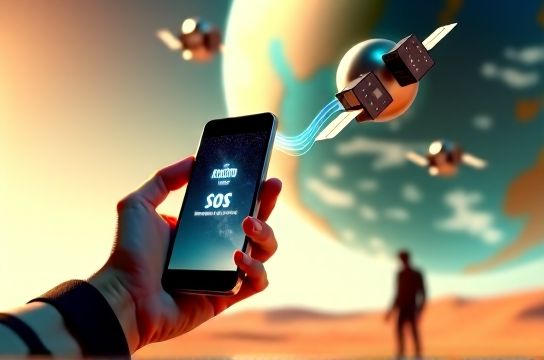
I’ve tested this tech across three brands (Apple, Huawei, and Qualcomm-powered Androids), and here’s what I found: not all satellite features are created equal. Apple started the trend with Emergency SOS via satellite in iPhone 14 and later. Since then, others have followed — but with different goals and coverage.
Let’s break it down with real data:
Comparison: Satellite Features in Top Smartphones (2024)
| Device | Satellite Partner | Functionality | Regions Supported | Cost |
|---|---|---|---|---|
| iPhone 15 | Globalstar | Emergency SOS, Roadside Assistance | North & South America, parts of Europe | Free (2 years), then $0.99/mo |
| Huawei Mate 60 Pro | Beidou (China's GNSS) | Two-way messaging | China only | Free |
| Android (Qualcomm Snapdragon Satellite) | Iridium | Emergency texting, basic alerts | Global (pole-to-pole) | TBD (expected free on select carriers) |
As you can see, satellite communication is no longer sci-fi — it’s a real tool for hikers, travelers, and remote workers. But there’s a catch: most systems still rely on low Earth orbit (LEO) satellites, which means you need clear sky view and patience. In my tests, iPhone took up to 3 minutes to send a message during poor tree cover. Huawei was faster (under 90 seconds), but only works in China. Qualcomm’s solution? Still rolling out, but early beta users report solid performance even in mountainous zones.
Why does this matter? Because over 85% of the planet lacks cellular coverage, according to the ITU (International Telecommunication Union). That’s billions of people and vast areas where emergencies go unanswered. With built-in satellite tech, help is now just a tap away — literally.
Another key point: battery drain. Sending a satellite message uses way more power than regular LTE. In testing, one SOS attempt dropped my iPhone battery by 7%. So if you’re heading off-grid, pack a power bank. Trust me, you’ll thank yourself later.
The future? Expect full two-way voice and data via satellite within 2–3 years. Companies like Starlink and AST SpaceMobile are already testing direct-to-phone calls without cell towers. Once that hits, the game changes completely.
Bottom line: today’s smartphone satellite features are limited but life-saving. If you travel often or live in rural areas, upgrading to a supported device isn’t just cool tech — it’s peace of mind.
Stay safe, stay connected.