Why Seasonal Harvest Matters in Tea Quality
- 时间:
- 浏览:309
- 来源:OrientDeck
If you're into premium tea—whether you're sipping oolong at sunrise or winding down with a cup of aged pu-erh—you’ve probably heard whispers about 'first flush' or 'spring harvest.' But here’s the real tea: not all harvests are created equal. As someone who’s spent over a decade tasting, testing, and traveling to tea farms from Fujian to Assam, I can tell you this—one factor outweighs almost all others when it comes to flavor, aroma, and smoothness: **seasonal harvest**.
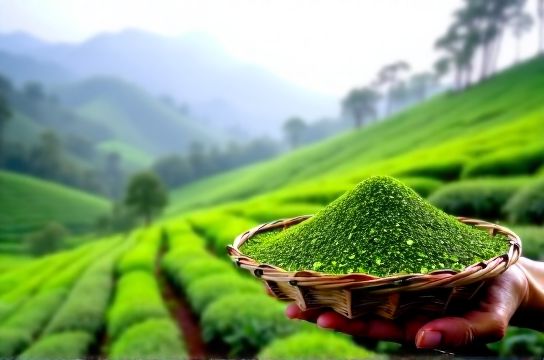
Let’s break it down. Tea plants (Camellia sinensis) respond dramatically to climate shifts. Rainfall, temperature, sunlight—all these shape the chemical makeup of the leaves. And that directly impacts your cup.
Take spring tea, for example. After a winter dormancy, the plant concentrates nutrients. The first tender buds, known as the *first flush*, burst with amino acids like theanine—your brain’s best friend for calm focus—and lower bitterness. In fact, studies show spring-harvested green teas contain up to **30% more theanine** than summer-picked ones.
Summer brings heat and faster growth. Leaves get tougher, tannins spike, and that crisp freshness fades. You end up with stronger, more astringent tea—great if you’re making iced tea or blending, but not ideal for mindful sipping.
Then there’s autumn. Often overlooked, fall harvests offer a sweet spot: milder temps return, pests decline, and the plant produces balanced leaves. Oolongs from Taiwan’s Nantou region harvested in September often score higher in blind tastings than their spring counterparts.
Here’s a quick comparison:
| Harvest Season | Theanine Level | Caffeine | Best For |
|---|---|---|---|
| Spring (First Flush) | High ⭐⭐⭐⭐☆ | Medium | Green & White Teas |
| Summer | Low ⭐⭐☆☆☆ | High | Black Tea, Iced Blends |
| Autumn | Medium-High ⭐⭐⭐★☆ | Medium | Oolong, Aged Teas |
Now, let’s talk pricing. Spring teas often cost 2–3x more than summer batches. Is it worth it? For connoisseurs, absolutely. But don’t sleep on autumn—many specialty sellers, like those in Anxi for Tieguanyin, argue autumn oolongs have better complexity due to slower leaf maturation.
And here’s a pro tip: always check the harvest date on packaging. Reputable brands list it clearly. If it’s missing? That’s a red flag.
Seasonal harvest isn’t just tradition—it’s science-backed quality control. Whether you're exploring the delicate notes of a [spring jasmine pearl](/) or comparing oolong terroirs, timing is everything. Don’t just drink tea—taste the season.
For deeper insights into how harvest affects aging potential, check out our guide on [premium loose leaf sourcing](/).