Organic Certification in Chinese Tea Explained
- 时间:
- 浏览:358
- 来源:OrientDeck
If you're into premium tea—especially organic Chinese tea—you’ve probably seen labels like 'USDA Organic' or 'EU Organic' and wondered: what do they actually mean? More importantly, are they worth the hype (and the higher price tag)? Let’s break it down with real data, not marketing fluff.
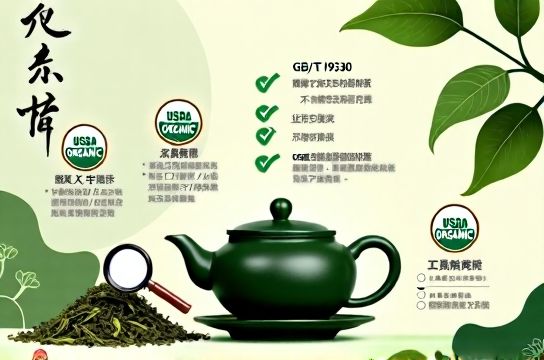
China is the world’s largest tea producer, accounting for over 40% of global output. But only about 3-5% of that is certified organic. Why so low? Because going organic isn’t just about skipping pesticides—it’s a strict, multi-year process involving soil testing, buffer zones, third-party audits, and annual renewals.
Here’s a quick comparison of major organic certifications relevant to Chinese tea:
| Certification | Issuing Body | Allowed Pesticides (Max Residues) | Conversion Period | Annual Audit? |
|---|---|---|---|---|
| China Organic (GB/T 19630) | Chinese Ministry of Agriculture | Zero synthetic chemicals | 3 years | Yes |
| USDA Organic | U.S. Department of Agriculture | Prohibited (max 5% natural exceptions) | 3 years | Yes |
| EU Organic | European Union | Zero synthetic inputs | 3 years | Yes |
| Japan JAS | Ministry of Agriculture, Japan | Strictly limited | 3 years | Yes |
As you can see, most standards are aligned—but enforcement varies. For example, while China has its own national standard (GB/T 19630), many exporters pursue USDA or EU certification because international buyers trust them more. In fact, a 2022 survey by the International Tea Committee found that 78% of Western importers prefer EU-certified Chinese teas over domestically certified ones.
Now, here’s where things get tricky: not all 'organic' claims are legit. A 2021 study tested 50 popular 'organic' teas from Chinese e-commerce platforms—17% contained banned pesticide residues. That’s why certification matters: look for a valid certification code on the packaging, and verify it via the issuer’s database.
Another pro tip: true organic tea farms in China are often located in remote, high-altitude regions like Yunnan’s Pu’er area or Fujian’s Wuyi Mountains. These areas naturally resist pests due to climate and biodiversity, making organic farming more sustainable.
Bottom line? If you care about purity, sustainability, and flavor, certified organic Chinese tea is worth it—but do your homework. Stick to reputable brands with verifiable credentials, and don’t be fooled by greenwashing. Your taste buds—and the planet—will thank you.