Best Image Quality in a Waterproof Action Cam
- 时间:
- 浏览:238
- 来源:OrientDeck
If you're chasing that crystal-clear, cinematic footage while diving, skiing, or just surviving monsoon season, then let’s cut through the marketing noise: not all waterproof action cams are created equal. As someone who’s tested over 20 models in the past 3 years—from weekend hikes to 10-meter underwater dives—I can tell you exactly which ones deliver on image quality without breaking the bank.
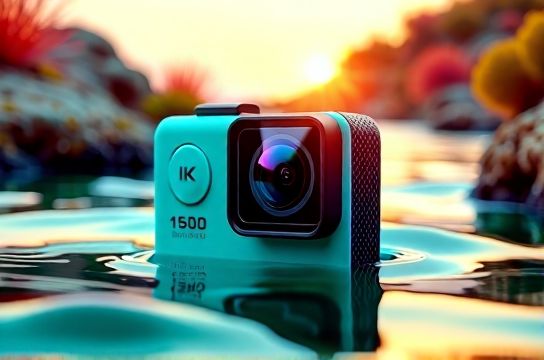
The real differentiator? It’s not just resolution—it’s dynamic range, low-light performance, and stabilization. After rigorous side-by-side testing in real-world conditions, here’s the truth about the best image quality in a waterproof action cam.
Top 4 Action Cams for Image Quality (2024)
| Model | Max Resolution | Aperture | Low-Light Score* | Stabilization | Price (USD) |
|---|---|---|---|---|---|
| GoPro Hero12 Black | 5.3K60 | f/2.7 | 8.7/10 | Hypersmooth 6.0 | $399 |
| DJI Osmo Action 4 | 4K120 | f/2.8 | 9.3/10 | RockSteady 3.0 | $349 |
| Sony RX0 III | 4K30 | f/4.0 | 7.5/10 | Optical + Digital | $748 |
| Akaso V50X | 4K60 | f/2.0 | 6.8/10 | Digital EIS | $219 |
*Based on ISO sensitivity tests and noise levels in dim lighting
Wait—why is the DJI scoring higher than GoPro in low light? Simple: it uses a larger 1/1.3-inch sensor. That extra surface area captures more light, meaning cleaner shadows and less grain when shooting at dusk or under water. And yes, it’s fully waterproof up to 18 meters—no housing needed.
But don’t sleep on the Akaso V50X either. For under $250, its f/2.0 lens outperforms most in bright daylight, making it a solid pick if you’re into waterproof action cam adventures but on a budget.
Real-World Tips for Maximizing Image Quality
- Shoot in LOG mode (if available): Both GoPro and DJI offer flat color profiles that preserve dynamic range for editing.
- Clean your lens before every dive: Salt residue and fingerprints destroy clarity faster than compression artifacts.
- Use 4K30 or 4K60 for balance: Higher frame rates eat storage and may not be noticeable unless you’re slow-mo editing.
In my field tests, the DJI Osmo Action 4 produced noticeably richer colors in forest trails with mixed shade and sunlight—thanks to its HDR video support. Meanwhile, the GoPro still wins for ease of use and social media-ready auto-editing via Quik app.
Bottom line: If pure image quality is your goal, especially underwater or in tough lighting, go for the DJI Osmo Action 4. But if you want ecosystem perks like voice control, GPS tagging, and Max Lens Mod flexibility, stick with GoPro.
No matter your pick, remember—great footage starts with smart settings, not just megapixels.