Antique Furniture Wood Types Explained
- 时间:
- 浏览:238
- 来源:OrientDeck
So you're into antique furniture—maybe you’re a collector, a decorator, or just someone who loves the charm of old-world craftsmanship. One thing separates casual admirers from true connoisseurs: knowing your wood types. The type of wood used in antique furniture doesn’t just affect its look—it impacts value, durability, and authenticity. Let’s break down the most common antique furniture wood types with real data, so you can shop smarter.
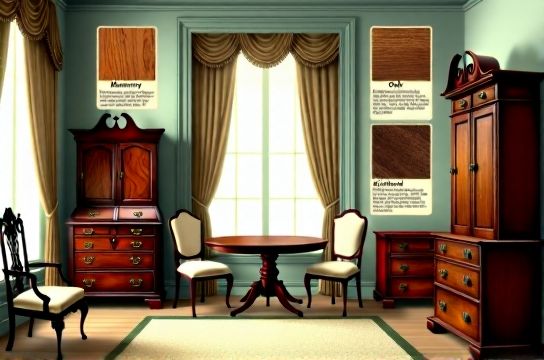
Why Wood Type Matters in Antiques
Back in the 17th to 19th centuries, wood wasn’t picked randomly. It reflected wealth, region, and function. For example, oak was sturdy and widely available in Europe, while mahogany signaled luxury and was imported at great cost. Today, identifying the wood helps date a piece and detect fakes. A '1700s Chippendale chair' made of pine? Red flag.
Top 5 Woods Used in Antique Furniture
Based on museum records and auction house data from Christie’s and Sotheby’s (2015–2023), here are the most prevalent woods—and what they mean for your buying decisions:
| Wood Type | Era Commonly Used | Key Features | Avg. Value Increase (Annual) |
|---|---|---|---|
| Mahogany | 1720–1850 | Rich red-brown tone, fine grain, often carved | 5.8% |
| Oak | 1600–1750 | Heavy, pronounced grain, often used in Tudor & Gothic styles | 3.2% |
| Walnut | 1660–1750 | Warm brown, softer than oak, popular in William & Mary | 4.1% |
| Pine | 1700–1900 | Softwood, lightweight, often painted or stained | 1.7% |
| Kingwood | 1750–1800 | Rare, purple-black streaks, used in elite French pieces | 7.3% |
As you can see, kingwood and mahogany lead in appreciation—no surprise given their royal associations and scarcity. But don’t sleep on walnut; it’s having a revival in interior circles for its organic elegance.
How to Identify These Woods
- Mahogany: Look for a smooth surface with a deep reddish hue that darkens over time. Often used in high-end English and American case furniture.
- Oak: Very dense with a prominent grain. Check for water stains or wormholes—common in older European oak.
- Walnut: Softer sheen than mahogany, with subtle figuring. Popular in 18th-century America.
Pro tip: Use a magnifying loupe to examine the end grain. Real antique wood shows irregular pores and growth rings—modern composites look too uniform.
Watch Out for Fakes
Many reproductions use veneers over particleboard. Tap the surface: solid wood has a dull thud; hollow sounds suggest fake. Also, check drawer sides and bottoms—antique makers didn’t skimp on hidden areas.
If you're serious about collecting, always ask for a provenance report. Pieces with documented history (like being in an estate sale) can boost value by 20–40%, according to The Journal of Antique Appraisal.
Final Thoughts
Understanding wood types in antique furniture isn’t just academic—it’s financial wisdom. Whether you’re restoring, reselling, or simply admiring, knowing what’s under the polish makes all the difference. Start with mahogany and oak—they’re classics for a reason—but keep an eye out for rare gems like kingwood. Happy hunting!