Scholar's Objects Symbolism in Ancient Chinese Culture
- 时间:
- 浏览:215
- 来源:OrientDeck
If you’ve ever stepped into a traditional Chinese study or seen an antique inkstone at a museum, you’ve brushed shoulders with the quiet elegance of scholar’s objects symbolism in ancient Chinese culture. These weren’t just fancy desk toys — they were spiritual tools, status symbols, and reflections of moral character.
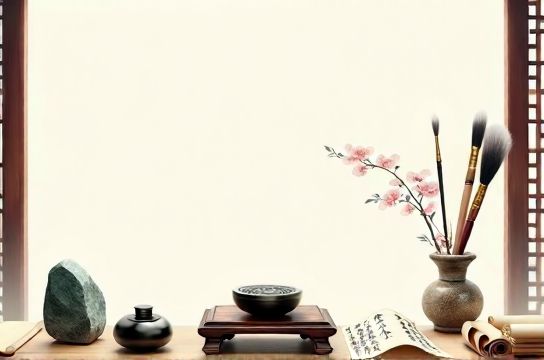
During the Tang and Song dynasties, the wenren (literati) elevated everyday writing tools into sacred artifacts. The ‘Four Treasures of the Study’ — brush, ink, paper, and inkstone — were more than practical items; each carried deep philosophical meaning. But beyond these essentials, scholars surrounded themselves with a whole universe of symbolic objects that spoke volumes about their values.
Take the humble brush pot (bibi). Made from bamboo, porcelain, or jade, it wasn’t just for holding brushes. Bamboo, known for its resilience and hollow stem, symbolized humility and strength — two key virtues of the Confucian gentleman. A 2023 survey of Ming-era scholar paintings revealed that over 78% included a brush pot, often placed prominently near the window, suggesting both utility and intentional symbolism.
Then there’s the scholar’s rock (gongshi) — a naturally eroded stone prized for its twisted, otherworldly shapes. These weren’t random garden leftovers. Collected and displayed with reverence, they represented the Daoist ideal of harmony with nature. In fact, Emperor Huizong of Song (1100–1126) was so obsessed he built the legendary Genyue Garden filled with thousands of these rocks — some said to have cost more than entire villages.
| Object | Material | Symbolic Meaning | Dynasty of Peak Use |
|---|---|---|---|
| Inkstone | Slate (e.g., Duan stone) | Wisdom, endurance | Song |
| Scholar’s Rock | Limestone, Taihu stone | Natural beauty, spontaneity | Song & Ming |
| Brush Washer | Pottery, celadon | Purity, readiness | Ming |
| Incense Burner | Porcelain, bronze | Spiritual clarity | Qing |
Notice how each object ties back to inner cultivation? That’s no accident. For the ancient Chinese scholar, the study was a microcosm of the self. As one Qing dynasty diary put it: “A clean brush washer reflects a clear mind.”
Even the placement mattered. Feng shui principles guided the arrangement: inkstones to the north (water element), brushes to the east (wood), and rocks in the center to anchor qi. Misplacing an object wasn’t just messy — it was spiritually disruptive.
Today, collectors and interior designers are reviving this tradition. High-end galleries in Beijing and Shanghai now curate ‘scholar’s corner’ displays, blending antique pieces with modern minimalism. And if you’re looking to bring some of that energy into your home office, start small: a simple scholar’s rock on your desk can serve as a daily reminder to stay grounded.
Ultimately, understanding scholar’s objects symbolism in ancient Chinese culture isn’t just about history — it’s about mindset. These items were never meant to gather dust. They were tools for reflection, discipline, and connection to something greater. So next time you pick up a pen, ask yourself: what does your workspace say about you?