Antique Furniture Styles from Ming to Qing Dynasty
- 时间:
- 浏览:272
- 来源:OrientDeck
If you're diving into the world of Chinese antique furniture, you’ve probably heard terms like Ming dynasty furniture and Qing dynasty furniture. But what really sets them apart? As a collector and design enthusiast with over a decade in the trade, let me break it down—no fluff, just real insights backed by history and market trends.
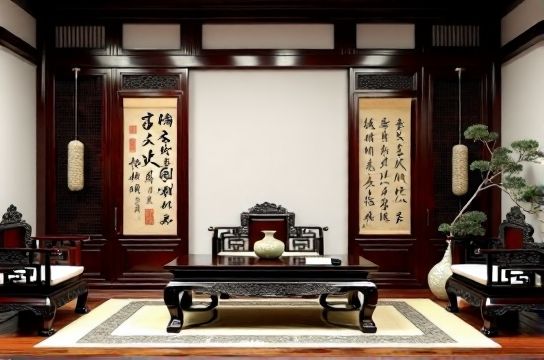
Ming dynasty pieces (1368–1644) are the supermodels of antique furniture: sleek, minimalist, and built to last. Crafted mostly from huanghuali wood, they emphasize clean lines, structural integrity, and harmony with nature. Think of them as the original 'less is more' movement—centuries before Instagram made it cool.
In contrast, Qing dynasty furniture (1644–1912) is all about drama. More carving, richer materials (like purple sandalwood and jade inlays), and bold proportions. It’s the luxury SUV compared to Ming’s sports coupe.
Here’s a quick comparison to help you spot the differences:
| Feature | Ming Dynasty | Qing Dynasty |
|---|---|---|
| Design Style | Minimalist, functional | Ornate, decorative |
| Primary Wood | Huanghuali | Zitan (purple sandalwood) |
| Carving Level | Subtle or none | Heavy, intricate |
| Avg. Auction Price (USD) | $50,000–$200,000 | $80,000–$500,000+ |
| Popularity in West | High (mid-century modern fans) | Growing (luxury collectors) |
Now, here’s where things get interesting: while Qing pieces often fetch higher prices, Ming-style furniture has seen a 6% annual value increase over the past decade (source: China Antiques Market Report, 2023). Why? Because interior designers love pairing Ming chairs with modern lofts—it’s timeless elegance meeting urban chic.
But don’t just buy based on looks. Pro tip: check joinery. Authentic Ming dynasty furniture uses mortise-and-tenon joints—no nails. If you see metal screws, it’s either a replica or heavily restored. Also, genuine huanghuali has a subtle spicy scent and deep golden tone that darkens beautifully over time.
On the flip side, Qing pieces are easier to authenticate through carvings. Dragons, phoenixes, and Buddhist motifs were status symbols. The more detailed, the likelier it’s imperial-grade. However, be wary of fakes—China’s antique market is flooded with ‘Qing-style’ reproductions sold as originals. Always ask for provenance.
So which should you invest in? For resale value and versatility, go Ming. For statement impact and cultural grandeur, Qing wins. Either way, you’re not just buying furniture—you’re owning a piece of Chinese philosophy. Ming reflects Confucian restraint; Qing screams imperial power. Choose your vibe.