Uncover the Origin of Famous West Lake Longjing
- 时间:
- 浏览:317
- 来源:OrientDeck
If you're into premium Chinese green tea, there's one name that always rises to the top: West Lake Longjing. But not all Longjing is created equal. In fact, true connoisseurs know that only tea from the original production area around Hangzhou’s West Lake deserves the title. Let’s dive into what makes authentic West Lake Longjing so special — and how to spot the real deal.
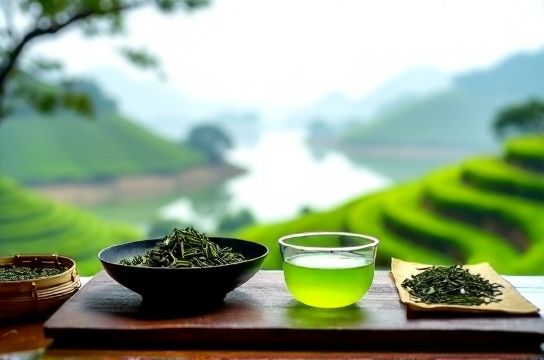
What Sets Real West Lake Longjing Apart?
First things first: geography matters. According to China’s national standard (GB/T 18650-2008), genuine West Lake Longjing must be grown in the designated West Lake region of Hangzhou, Zhejiang Province. This includes 168 km² across 15 villages like Lion Peak (Shi Feng), Meijiawu, and Longjing Village itself.
The terroir here — misty hills, acidic soil, and ideal rainfall — creates leaves with a delicate sweetness and smooth chestnut-like aroma. Outside this zone? It might taste okay, but it’s not the real story.
Spring Harvest = Supreme Quality
Timing is everything. The best Longjing is harvested before Qingming Festival (usually April 5th). Known as Mingqian tea, it accounts for less than 10% of annual output but commands prices up to $2,000/kg. Why? Tender buds, minimal bitterness, and unmatched fragrance.
Here’s a quick breakdown of harvest grades:
| Harvest Time | Leaf Tenderness | Average Price (USD/kg) | Annual Production (%) |
|---|---|---|---|
| Pre-Qingming (Mingqian) | One bud + one leaf | 1,500–2,000 | 8–10% |
| Pre-Grain Rain (Yǔqian) | One bud + two leaves | 300–600 | 30–35% |
| Post-Grain Rain | Coarser leaves | 100–200 | 60% |
How to Spot Authentic West Lake Longjing
Fake Longjing floods the market — especially online. Look for these markers:
- Flat, smooth leaves with a jade-green hue
- Chestnut-like aroma when brewed
- Protected Designation: Check for the official “地理标志” (Geographical Indication) label
- Origin code on packaging — traceable to West Lake villages
And don’t forget: real Longjing tea is hand-fired. Machine processing kills the nuance. Experts say traditional wok-roasting removes grassiness while enhancing sweetness — a skill passed down through generations.
Final Tip: Buy From Trusted Sources
Due to high demand, over 90% of Longjing sold as 'West Lake' isn’t actually from the region. Stick to certified vendors, government-backed cooperatives, or visit Hangzhou during spring harvest. Your taste buds will thank you.
In short: if you want the true essence of Chinese green tea, nothing beats authentic West Lake Longjing — fresh, fragrant, and straight from the source.