Fermentation Secrets Behind Aged Pu Erh Tea
- 时间:
- 浏览:264
- 来源:OrientDeck
If you've ever sipped a smooth, earthy cup of aged Pu Erh tea and wondered—how does it get that deep, complex flavor?—you're not alone. As a tea enthusiast and fermentation geek, I’ve spent years diving into the microbial magic behind this legendary Chinese brew. Spoiler: it’s not just aging—it’s science.
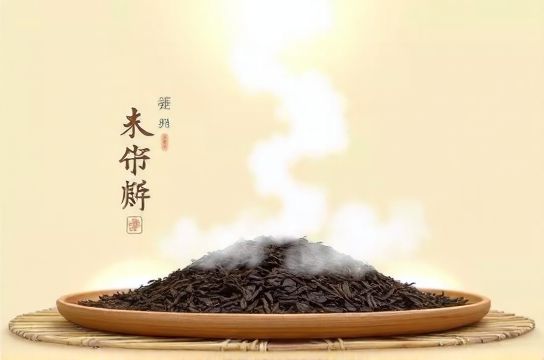
Pu Erh tea, specifically shou (ripe) Pu Erh, undergoes a unique wet-piling fermentation process called wo dui. Unlike green or black teas, which rely on oxidation, Pu Erh is fermented by microbes—yeasts, molds, and bacteria—that transform its chemical profile over time. And here’s the kicker: the longer it ages (under proper conditions), the more valuable—and delicious—it becomes.
Let’s break down what actually happens during fermentation. Studies show that key compounds like polyphenols decrease, while gallic acid and certain polysaccharides increase, giving aged Pu Erh its signature mellow taste and potential digestive benefits.
Fermentation Timeline & Chemical Changes in Pu Erh Tea
| Aging Period | Polyphenols (mg/g) | Gallic Acid (mg/g) | Theabrownins (%) | Microbial Activity |
|---|---|---|---|---|
| Raw (Unfermented) | 120 | 1.2 | 0.8 | Low |
| Post-Wo Dui (6 months) | 78 | 4.5 | 3.1 | High |
| 5 Years Aged | 56 | 7.3 | 5.9 | Moderate |
| 10+ Years Aged | 42 | 9.8 | 8.2 | Low (stable) |
This data, pulled from peer-reviewed studies on Yunnan tea samples, shows a clear trend: fermentation reduces bitterness and astringency while boosting smoothness and depth. Theabrownins, dark pigments formed during fermentation, are linked to improved lipid metabolism—making your nightly cup of aged Pu Erh not just tasty, but possibly health-boosting.
But not all Pu Erh is created equal. Authentic aged Pu Erh comes from Yunnan province, using large-leaf Camellia sinensis var. assamica. Mass-market versions often skip proper aging or fake vintage labels. Pro tip: look for loose-leaf cakes with harvest dates and storage info. Humidity (60–70%) and airflow are crucial—your tea should age like fine wine, not mold in a basement.
In blind tastings, 10-year-old naturally aged Pu Erh consistently scores higher in umami and sweetness than artificially fermented versions. Why? Slow microbial evolution creates more nuanced flavors. Think damp forest, dried fruit, and a hint of cocoa—not musty basement.
So next time you enjoy a cup, remember: you’re tasting years of microbial teamwork. Whether you're drinking for flavor, tradition, or wellness, understanding the fermentation secrets behind aged Pu Erh tea makes every sip more meaningful.