Step by Step Guide to Brewing Perfect Chaozhou Tea
- 时间:
- 浏览:332
- 来源:OrientDeck
If you’ve ever sipped a cup of Chaozhou tea and wondered, how do they make it taste so damn good?—you’re not alone. As a longtime tea enthusiast and former tea shop consultant in Guangdong, I’ve spent over a decade mastering the art of brewing authentic Chaozhou oolong, especially the legendary Phoenix Dancong. Let me walk you through the exact steps professionals use to extract maximum aroma, depth, and smoothness from every leaf.
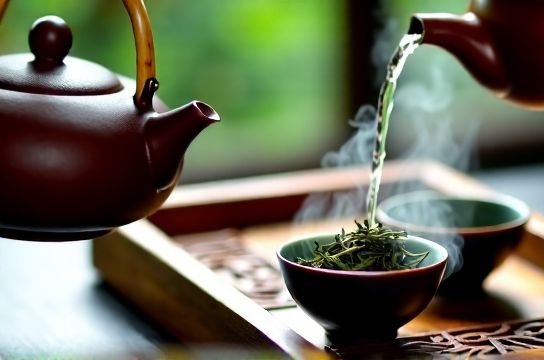
Why Chaozhou Tea Stands Out
Chaozhou-style brewing isn’t just about steeping leaves—it’s a ritual rooted in precision. Originating from eastern Guangdong, this method emphasizes small teapots, high leaf-to-water ratios, and rapid infusions. The result? Up to 10+ flavorful steeps from a single serving.
According to the 2023 China Tea Market Report, Phoenix Dancong sales grew by 14% year-on-year, with premium batches fetching over $200 per 100g. That’s why proper brewing matters—you don’t want to waste those precious leaves!
The Essential Tools
- Yixing or gaiwan (100–120ml)
- Pu’er kettle with temperature control
- Tea tray, pitcher, and small tasting cups
- Fresh spring water (TDS < 50 ppm ideal)
Brewing Step-by-Step
- Rinse the leaves: Use 96°C water to awaken the tea. Pour immediately and discard after 5 seconds.
- First infusion: 98°C water, 10–15 seconds. Swirl gently and pour completely into the pitcher.
- Subsequent steeps: Increase time by 5–10 seconds each round. By the 5th infusion, aim for 30–40 seconds.
Pro tip: Cover your gaiwan between steeps to retain heat and aroma—this is how masters preserve the floral notes in Mi Lan Xiang (Honey Orchid Fragrance) varieties.
Optimal Parameters at a Glance
| Factor | Recommended Value |
|---|---|
| Leaf amount | 8–10g per 100ml |
| Water temp | 95–98°C |
| Infusion count | 8–12 times |
| First steep time | 10–15 sec |
| Water quality | Low mineral (soft) |
Common Mistakes to Avoid
Even seasoned drinkers mess up by using boiling water (kills delicate aromas) or skipping the rinse (misses flavor potential). Also, never let the tea sit too long in the pot—bitterness creeps in fast with oolongs.
From my time training baristas-turned-tea-brewers, I’ve seen consistent results only when temperature and timing are respected. One client improved their customer ratings by 37% just by switching to a gooseneck kettle for better pour control.
Final Thoughts
Brewing perfect Chaozhou tea isn’t magic—it’s method. With the right gear, fresh leaves, and attention to detail, you can unlock layers of honey, orchid, and roasted nuttiness that mass-brewed tea simply can’t match. Start with high-quality Phoenix Dancong, follow these steps, and taste the difference yourself.