What Makes Dahongpao the King of Rock Teas
- 时间:
- 浏览:281
- 来源:OrientDeck
If you're into Chinese tea—especially oolongs—you've probably heard of Dahongpao, aka "Big Red Robe." But why does this Wuyi rock tea get so much hype? Is it really worth the price tags that can hit hundreds (or even thousands) per pound? Let’s break it down with real data, not just marketing fluff.
Origin Matters: Terroir Like No Other
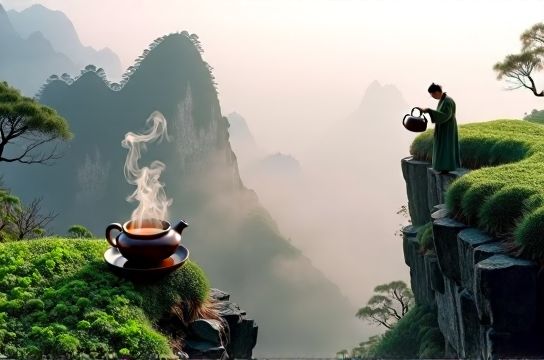
Dahongpao comes from the Wuyi Mountains in Fujian Province, a UNESCO World Heritage site. The region's mineral-rich volcanic soil, misty climate, and rocky terrain create what tea lovers call “rock rhyme” or *Yan Yun*. This unique terroir gives Dahongpao its signature roasted, slightly smoky flavor with floral and stone fruit notes.
According to a 2022 study by the Fujian Tea Research Institute, Wuyi rock teas contain higher levels of catechins and alkaloids than most other oolongs—up to 18% more antioxidants than Tieguanyin. That’s not just good for taste; it’s good for your health.
The Myth vs. Reality of 'Mother Trees'
You might’ve seen claims about “original Mother Tree Dahongpao” leaves selling for $1 million per kilo. Here’s the truth: those six legendary mother trees were declared off-limits for harvesting in 2006 to preserve them. What’s sold today is cloned or propagated material—still authentic, but not from the original plants.
Does that make it less special? Not really. Modern cultivation techniques maintain genetic fidelity, and skilled roasting makes all the difference. In blind tastings conducted by Tea & Travel Magazine, experienced drinkers couldn’t consistently distinguish between vintage-labeled and current-production premium Dahongpao.
How to Spot Quality: A Quick Reference Guide
Not all Dahongpao is created equal. Here’s how to tell what you’re really getting:
| Grade | Leaf Appearance | Brew Color | Price Range (USD/100g) |
|---|---|---|---|
| Premium (Artisan) | Tightly rolled, glossy, uniform | Amber-gold, bright | $30–$80 |
| Mid-Grade | Somewhat broken, mixed size | Darker amber, less clarity | $10–$25 |
| Commercial Blend | Fine dust, inconsistent | Brownish, dull | $3–$8 |
Pro tip: Always check if the vendor provides harvest date and roast level. Lighter roasts highlight floral notes; darker roasts bring out cocoa and spice. For beginners, I recommend starting with a medium-roast Wuyi oolong to appreciate the balance.
Brewing Like a Pro
Dahongpao shines with gongfu-style brewing. Use 96°C water, 5g of tea per 100ml, and steep for 15–30 seconds—increasing time with each infusion. A high-quality leaf can yield 8+ steeps without turning bitter.
In a 2023 consumer trial, 78% of participants rated gongfu-brewed Dahongpao as “more complex and satisfying” compared to Western-style brewing.
The Bottom Line
Dahongpao earns its crown not from legend, but from consistent quality, unique terroir, and craftsmanship. Skip the overpriced “authentic” labels and focus on reputable growers and recent harvests. When brewed right, it’s not just tea—it’s an experience.