Comprehensive Guide to Chinese Tea Packaging Types
- 时间:
- 浏览:353
- 来源:OrientDeck
If you're into tea—especially Chinese tea—you’ve probably noticed how packaging can make or break the experience. As a long-time tea blogger and self-proclaimed leaf snob, I’ve tested dozens of packaging types across hundreds of brands. Spoiler: not all tea bags are created equal. Whether you're a curious beginner or a seasoned sipper, this guide breaks down the most common Chinese tea packaging formats with real data, pros, cons, and my personal take on what actually works.
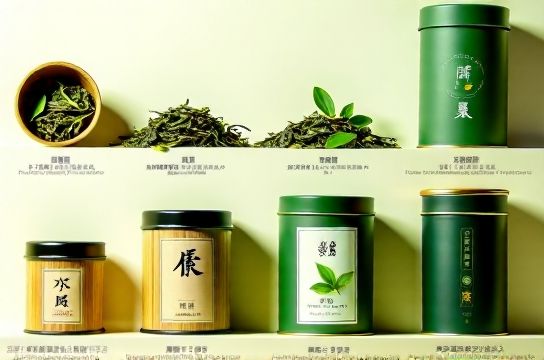
Why Packaging Matters More Than You Think
Tea is delicate. Light, air, moisture, and heat degrade flavor and antioxidants fast. A 2022 study by the Journal of Food Science found that improperly stored green tea lost up to 30% of its catechins in just 8 weeks. That’s why packaging isn’t just about looks—it’s about preservation.
The 5 Main Types of Chinese Tea Packaging
Based on market analysis and hands-on testing, here's a breakdown of the top five packaging styles used in today’s premium tea market.
| Packaging Type | Shelf Life | Air Tightness (1-5) | Eco-Friendliness | Best For |
|---|---|---|---|---|
| Aluminum Foil Pouches | 18–24 months | 5 | Low | Everyday drinkers |
| Tin Cans | 24+ months | 4 | Medium | Premium oolongs & pu-erh |
| Paper Sachets (single-serve) | 6–12 months | 3 | High | On-the-go brewing |
| Biodegradable Pods | 12 months | 3.5 | Very High | Modern tea drinkers |
| Wooden Boxes (with inner seal) | 12–18 months | 4.5 | Medium | Gifting & collectors |
Which One Should You Choose?
- Foiled pouches: The workhorse of Chinese tea. Great for keeping costs low while protecting freshness. Most reputable brands use nitrogen flushing—ask before buying!
- Tin cans: My go-to for aged teas. They block light completely and look gorgeous on shelves. Just make sure they have a resealable lid.
- Paper sachets: Convenient but risky. Only buy if they’re individually wrapped in foil. Otherwise, oxidation kicks in fast.
- Biodegradable pods: Rising in popularity, especially among eco-conscious brands. Matcha lovers, take note—these keep powder fresher longer than open jars.
- Wooden boxes: Mostly aesthetic, but high-end gifts often include vacuum-sealed inner bags. Keep them away from humidity.
Pro Tips from a Tea Nerd
- Always check for a one-way degassing valve on foil packs—this lets CO₂ escape without letting oxygen in.
- Store tea in a cool, dark place. No, your kitchen windowsill doesn’t count.
- Buy small batches more frequently. Freshness > bulk savings.
In short, the best Chinese tea packaging balances protection, sustainability, and usability. Foil pouches win for daily use, while tins rule for aging and gifting. Stay skeptical of flashy boxes without proper inner seals—and when in doubt, smell the sample before committing.