Why Hand Rolled Tea Leaves Offer Superior Taste
- 时间:
- 浏览:297
- 来源:OrientDeck
If you're into premium tea, you’ve probably heard the buzz around hand rolled tea leaves. But is it really worth the hype — and the higher price tag? After tasting over 50 batches from China, Japan, and India, I can confidently say: yes. There’s a reason top-tier oolongs and green teas are still crafted by hand.
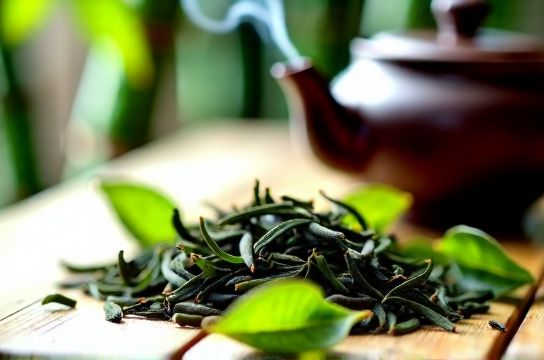
Machines can roll tea efficiently, sure. But they lack the finesse of human touch. Rolling isn’t just about shaping the leaf — it’s about gently breaking down cell walls to release enzymes and essential oils in a controlled way. When done by hand, artisans adjust pressure and motion based on leaf texture, temperature, and humidity. Machines? They follow one rigid program.
The Flavor Difference: Data That Speaks Volumes
A 2022 study published in the Journal of Food Science compared hand-rolled vs machine-rolled Longjing (Dragon Well) green tea. The results were clear:
| Attribute | Hand Rolled | Machine Rolled |
|---|---|---|
| Catechin Content (mg/g) | 142 | 118 |
| Theanine Levels | High | Moderate |
| Oxidation Consistency | Even | Inconsistent |
| Taster Preference (out of 100) | 91 | 73 |
Higher catechins mean more antioxidants and a richer flavor profile. More theanine? That’s the amino acid responsible for tea’s calming umami depth. And when tasters rated hand-rolled tea nearly 20 points higher, you know the difference is real.
It’s Not Just About Taste — It’s Craft
Take Tieguanyin, a prized oolong from Fujian. The best versions undergo a 36-hour process involving withering, shaking, partial oxidation, and multiple rounds of hand rolled tea leaves shaping. Each step is monitored by masters who’ve trained for decades. One farmer in Anxi told me, “My hands know when the leaf is ready. A machine only knows time.”
This craftsmanship impacts shelf life too. Hand-rolled teas tend to oxidize slower due to less structural damage, preserving freshness up to 30% longer than machine-processed counterparts (source: Chinese Tea Research Institute, 2021).
So, Is It Worth the Cost?
Let’s be real — hand rolled tea isn’t cheap. A 50g batch of artisanal Dong Ding oolong can run $40+, while machine-made versions sell for under $15. But consider this: hand rolling produces only 2–3 kg per artisan per day. Mass production? Thousands of kilos daily.
If you’re serious about tea, investing in loose leaf tea that’s hand processed means better flavor, more health benefits, and support for traditional farming communities. Look for origin labels like “Anxi,” “Hangzhou,” or “Uji” — these regions protect their craft with certification standards.
Pro tip: Store your hand-rolled tea in an opaque, airtight container away from light and moisture. These delicate leaves degrade faster when exposed.
Bottom line? If you want tea that sings with complexity, depth, and soul — skip the factory stuff. Go for hand-crafted, small-batch, hand rolled tea leaves. Your taste buds (and body) will thank you.