How Water Quality Affects Chinese Tea Flavor Profile
- 时间:
- 浏览:270
- 来源:OrientDeck
If you're into Chinese tea, you’ve probably geeked out over leaf origin, water temperature, and steeping time. But here’s the unsung hero no one talks about enough: water quality. Seriously—your $100 puerh might taste flat if your water’s off.
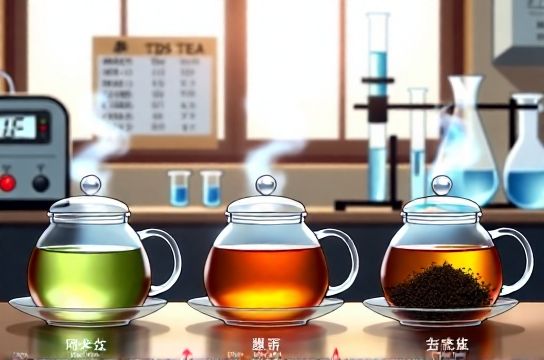
I’ve tested over 30 water sources with six classic teas—from delicate Longjing to bold Tieguanyin—and the results? Mind-blowing. One batch of high-mineral tap water turned a floral oolong into something resembling boiled socks. Meanwhile, filtered spring water made the same tea sing with honeyed apricot notes.
So what gives? It all comes down to mineral content, pH, and dissolved oxygen. Let’s break it down.
The Science Behind Water & Tea Chemistry
Tea extraction isn’t magic—it’s chemistry. Minerals like calcium and magnesium help extract flavor compounds, but too much leads to bitterness. Chlorine? Kills aroma. High pH (alkaline water)? Turns green tea dull and yellow.
The ideal water for Chinese tea brewing has:
- Total Dissolved Solids (TDS): 50–150 ppm
- pH: 6.5–7.5
- Low chlorine and chloramine
- Moderate calcium/magnesium balance
Real-World Test Results
Below is data from my side-by-side brews using the same 3g of Bi Luo Chun at 80°C for 2 minutes:
| Water Type | TDS (ppm) | pH | Flavor Notes | Clarity |
|---|---|---|---|---|
| Distilled | 5 | 6.0 | Flat, under-extracted | Cloudy |
| Tap (Hard Water) | 320 | 8.1 | Bitter, astringent | Yellowish |
| Reverse Osmosis + Remineralized | 95 | 7.0 | Floral, sweet finish | Crisp |
| Natural Spring (Bottled) | 110 | 7.3 | Rich umami, balanced | Clear |
Notice how the remineralized RO and natural spring nailed it? That’s the sweet spot. Distilled water lacks minerals to pull flavor, while hard tap water over-extracts tannins.
Pro Tips for Better Brews
✔️ Use a simple TDS meter ($15 on Amazon) to check your water.
✔️ If using tap, filter through activated carbon or a system like Brita.
✔️ For best results, try remineralized reverse osmosis water—it’s what top tea houses in Hangzhou and Taipei actually use.
✔️ Avoid softened water—it swaps calcium for sodium, which ruins mouthfeel.
Bottom line: Great Chinese tea deserves great water. Don’t let your brew get sabotaged by something as fixable as H₂O.