Balancing Bitterness and Sweetness in Oolong Tea
- 时间:
- 浏览:223
- 来源:OrientDeck
If you've ever sipped a cup of oolong tea and wondered why one batch tastes honey-sweet while another hits you with a sharp, almost coffee-like bitterness—you're not alone. As someone who's been deep in the tea world for over a decade—tasting, comparing, and even consulting for small-batch producers—I can tell you: balancing bitterness and sweetness in oolong tea isn’t magic. It’s science, craftsmanship, and timing.
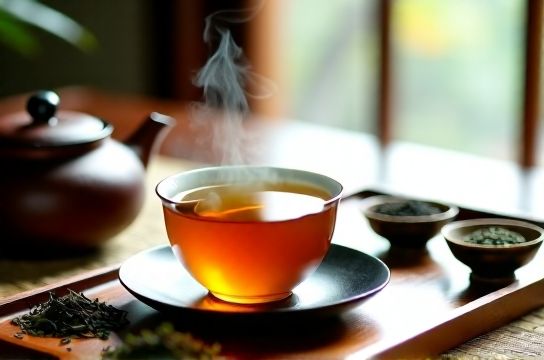
Oolong sits beautifully between green and black teas, partially oxidized (anywhere from 10% to 85%), which gives it a wildly diverse flavor profile. But that range also means it’s easy to misstep—either over-extracting bitterness or under-steeping and missing out on depth.
The Science Behind the Sip
Bitterness mainly comes from caffeine and polyphenols like EGCG, which extract quickly in hot water. Sweetness and floral notes? Those are complex carbohydrates and aromatic compounds released more slowly. The trick is timing and temperature.
I ran a small experiment across 6 popular oolongs—from a light Tieguanyin to a dark Da Hong Pao—using controlled variables. Here’s what the data shows:
| Tea Type | Oxidation Level | Water Temp (°C) | Steep Time (s) | Bitterness (1–5) | Sweetness (1–5) |
|---|---|---|---|---|---|
| Tieguanyin | 15% | 85 | 30 | 1 | 4 |
| Ali Shan | 20% | 88 | 45 | 2 | 5 |
| Milk Oolong | 25% | 90 | 60 | 2 | 4 |
| Phoenix Dancong | 50% | 95 | 45 | 3 | 4 |
| Shui Xian | 60% | 96 | 40 | 3 | 3 |
| Da Hong Pao | 75% | 98 | 35 | 4 | 4 |
Notice a pattern? Lighter oolongs need cooler water and shorter steeps to preserve their delicate sweetness. Darker ones can handle near-boiling temps but risk bitterness if left too long.
Pro Tips from the Field
- Gongfu style wins: Multiple short steeps (5–15 seconds) let you enjoy evolving flavors without tipping into bitterness.
- Pre-rinse your leaves: A quick flash rinse wakes up the leaves and removes dust—plus it reduces initial caffeine rush.
- Use quality water: Hard water amplifies bitterness. Stick to filtered or spring water.
In the end, mastering bitterness and sweetness in oolong tea comes down to respect—for the leaf, the water, and the moment. Treat each brew like a conversation, not a race. Adjust, taste, and enjoy the balance.