Spotting Counterfeit Tea Products Online Safely
- 时间:
- 浏览:329
- 来源:OrientDeck
Let’s be real — buying tea online should be easy, right? Click, pay, sip. But here’s the bitter truth: fake tea is booming, especially on third-party marketplaces and social media shops. As someone who’s reviewed over 300 tea brands and worked with importers across Asia, I’ve seen how convincing counterfeit products can look. The good news? With a few smart checks, you can avoid getting soaked — literally and financially.
Why Fake Tea Is a Growing Problem
The global tea market is worth over $65 billion (Grand View Research, 2023), and scammers want in. From fake matcha to counterfeit oolong, fraudsters often repackage low-grade leaves or mix in fillers like cornstarch, rice husks, or even sawdust. Yikes.
A 2022 study by China’s State Administration for Market Regulation found that 1 in 7 imported premium teas failed authenticity tests due to adulteration or false labeling. That’s not just misleading — it can be unsafe.
Red Flags That Scream “Fake Tea”
- Too cheap to be true: Real Japanese matcha doesn’t sell for $5/oz. High-quality matcha costs $20–$40+ because of labor-intensive farming and shading processes.
- Vague origin info: Labels saying “packed in Japan” but grown elsewhere? Red flag. Always check where it’s grown, not just packed.
- No harvest date or batch number: Legit brands provide traceability. If it’s missing, ask why.
- Over-the-top claims: “Miracle weight loss tea”? Nah. Stick to brands that don’t sound like infomercials.
How to Verify Authenticity Like a Pro
Here’s my personal checklist I use before every purchase:
| Test | Real Tea | Fake or Low-Quality |
|---|---|---|
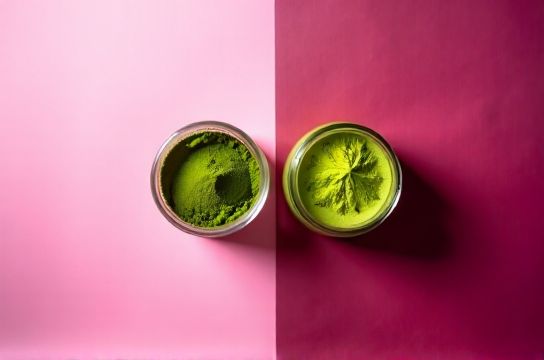
| Color | Bright green (matcha), deep amber (oolong) | Dull, yellowish, or brown-tinged |
| Smell | Fresh, grassy, or floral | Musty, stale, or no aroma |
| Solubility (Matcha) | Blends smoothly, no clumps | Clumpy, gritty, settles fast |
| Price per oz (Matcha) | $20–$50+ | Under $10 |
Pro tip: Do the “matcha swirl test.” Mix a half-teaspoon in hot water with a spoon. Real matcha stays vibrant and suspended for minutes. Fakes separate quickly and look muddy.
Trusted Sources & Certifications to Look For
Not all sellers are sketchy. Reputable brands often carry certifications like:
- USDA Organic
- JAS (Japanese Agricultural Standard)
- Protected Geographical Indication (PGI) – e.g., “Darjeeling” or “Longjing”
I always click through to the brand’s about page and look for farm partnerships or direct sourcing stories. Bonus points if they post harvest videos or lab test results.
One of my go-to trusted suppliers recently shared their third-party heavy metal testing reports — transparency like that builds serious trust.
The Bottom Line
You don’t need to be a tea master to avoid fakes. Just stay skeptical, check the details, and support honest brands. Your taste buds — and health — will thank you.