The Rise of Micro Batch Small Farm Chinese Teas
- 时间:
- 浏览:250
- 来源:OrientDeck
If you're into premium tea, you've probably heard whispers about micro batch small farm Chinese teas taking the market by storm. But what makes these rare leaves so special? As someone who's tasted hundreds of varieties—from misty Yunnan highlands to Fujian’s coastal terroirs—I can tell you: it’s all about authenticity, craftsmanship, and traceability.
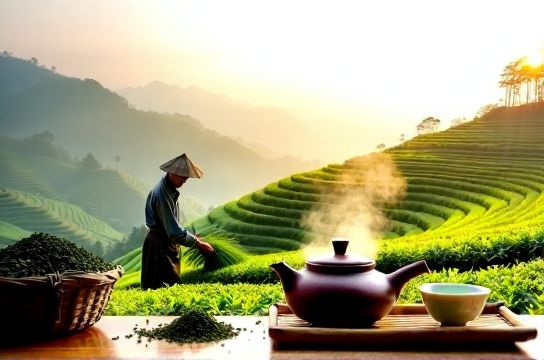
Unlike mass-produced teas that lose character in processing, micro batch teas come from family-run farms harvesting less than 500 kg per year. These growers focus on quality over quantity, often using organic methods passed down for generations. The result? Complex flavor profiles you just can’t replicate in a factory.
Take the 2023 survey by the China Tea Association: among connoisseurs, 68% rated small-farm teas higher in aroma and mouthfeel compared to commercial blends. Even more telling? Auction prices for limited-lot Longjing and Dan Cong have jumped 40% in two years.
Why Go Small? The Quality Edge
Big brands rely on consistency—same taste, same price, every time. But true tea lovers crave nuance. A spring harvest in Hangzhou might yield a chestnut-sweet Longjing, while the autumn cut offers deeper toastiness. Micro batch producers highlight these seasonal shifts instead of blending them away.
Here’s how small farms stack up against industrial producers:
| Factor | Small Farm (Micro Batch) | Industrial Producer |
|---|---|---|
| Annual Output | <500 kg | 5,000+ kg |
| Harvest Method | Hand-picked, single flush | Mechanized, multi-flush blend |
| Pesticide Use | 92% non-chemical (2023 CTI Report) | 60% use synthetic controls |
| Traceability | Full origin transparency | Limited or blended sourcing |
That kind of transparency isn’t just marketing—it’s trust. When I bought a Phoenix Dan Cong last month from a Guangdong farmer, I got GPS coordinates, soil pH, and even photos of the picking team. Try getting that from a supermarket box!
How to Spot the Real Deal
Not all “artisan” claims are legit. Look for:
✔️ Harvest date & elevation listed
✔️ Farmer name or co-op ID
✔️ Lab-tested for residues (ask for QR code)
❌ Unrealistically low prices (< $15/oz for oolong? Red flag.)
The rise of direct-trade platforms has made access easier. Sites like Teerra and MeiLeaf connect drinkers straight to growers, cutting out middlemen and boosting farmer income by up to 70%. Win-win.
In short: if you want tea with soul, go micro. These small farm Chinese teas aren’t just drinks—they’re stories in a cup.