Tea Buying Guide for Beginners: How to Choose Quality Loo...
- 时间:
- 浏览:226
- 来源:OrientDeck
H2: Forget the Teabag Myth — Why Loose Leaf Chinese Tea Is Worth the Learning Curve
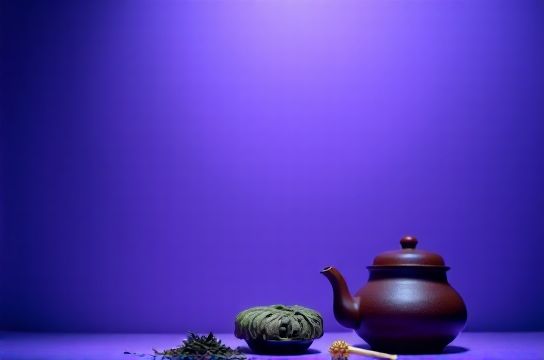
You’ve seen the glossy jars labeled 'premium Longjing' at your local supermarket — $12.99 for 50g, vacuum-sealed and shelf-stable since 2022. You brew it. It’s grassy, flat, vaguely sweet — but nothing like the vivid chestnut-and-lilac aroma your friend described after sipping fresh spring harvest from Hangzhou. That disconnect isn’t your palate failing you. It’s a signal: most beginner tea buyers don’t know how to read packaging cues, assess leaf integrity, or distinguish between seasonal grade and storage damage.
Loose leaf Chinese tea isn’t a commodity — it’s an agricultural product with narrow windows of optimal harvest, precise processing variables, and aging pathways that can improve (or ruin) value over time. Unlike coffee beans, where roast date matters most, tea quality hinges on *three* interlocking factors: origin authenticity, processing fidelity, and post-harvest handling. This guide cuts through marketing noise and gives you concrete, field-tested criteria — not philosophy — to evaluate what’s in the bag.
H2: The Five Core Categories — What They Are (and Aren’t)
Don’t memorize oxidation percentages. Instead, learn how each category behaves in your cup and what physical traits signal integrity.
H3: Green Tea (e.g., Longjing tea) Longjing (Dragon Well) is pan-fired, not steamed — a critical distinction. Authentic spring-harvest Longjing has flat, smooth leaves with faint white down, a pale jade liquor, and a clean, roasted chestnut finish. Avoid anything labeled 'Longjing-style' or sold in bulk bins with broken leaves and yellowing tips — those are indicators of late-harvest material or improper storage (moisture >6% triggers enzymatic browning). Real Longjing from Xihu District fetches ¥800–¥3,500/kg wholesale (Updated: April 2026), so sub-$30/100g bags sold via generic e-commerce platforms are almost certainly blended or non-Xihu.
H3: Oolong tea Oolong spans 12–85% oxidation, but what matters more is roast level and consistency. High-mountain Taiwanese oolongs (e.g., Alishan) should have tightly rolled, uniform balls that unfurl slowly; under-rolled leaves indicate rushed processing. Fujian rock oolongs (Yancha) like Da Hong Pao must show visible 'rock bone' texture — dense, heavy leaves with mineral aroma and lingering huigan (returning sweetness). If the dry leaf smells smoky but lacks depth, it’s likely over-roasted to mask poor raw material.
H3: Pu-erh tea Pu-erh is fermented, not oxidized — and it comes in two types: raw (sheng) and ripe (shou). Raw pu-erh evolves over decades; ripe pu-erh mimics aged character via wet-pile fermentation. For beginners, start with 3–5 year ripe pu-erh: it’s stable, low-risk, and shows clear earthy-sweet notes without bitterness. Avoid 'aged' sheng pu-erh under $50/357g cake unless verified by a trusted vendor — counterfeit cakes (repackaged lower-grade material stamped with famous mountain names) remain rampant on unmoderated marketplaces.
H3: White tea True white tea (e.g., Silver Needle, Bai Mudan) is minimally processed: withered in sun or controlled airflow, then dried. Look for silvery-white down-covered buds (in Silver Needle) or intact bud-and-leaf sets with visible trichomes. Yellowed or brittle leaves suggest over-drying or excessive storage heat. Fujian’s Fuding and Zhenghe counties control GI certification — any white tea claiming origin outside these areas cannot legally bear the name 'Baihao Yinzhen' or 'Bai Mudan'.
H3: Black tea (Chinese style) Unlike Assam or Ceylon, Chinese black teas (e.g., Keemun, Lapsang Souchong) emphasize fragrance over maltiness. Keemun Gongfu should smell of orchid and honey, not smoke or ash. Authentic Lapsang uses pine wood smoking *only during withering*, not roasting — resulting in subtle resinous notes, not campfire. If the package says 'smoked' but lists 'artificial flavoring' in ingredients, walk away.
H2: Your First Purchase — 4 Non-Negotiable Checks Before Clicking 'Buy'
1. Harvest Date & Season Stated Clearly: Not '2024 harvest', but '2024 Spring Qingming harvest' (early April). Spring greens peak before Qingming; summer greens lack amino acid depth.
2. Origin Specificity: 'Yunnan Province' is useless. 'Menghai County, Bulang Mountain' is actionable. Cross-check against China’s Protected Designation of Origin (PDO) list — publicly available via AQSIQ archives.
3. Processing Method Named: 'Sun-withered and charcoal-fired' beats 'traditionally processed'. Vague terms correlate strongly with blended lots.
4. Packaging Integrity: Vacuum-sealed *with oxygen absorber* is mandatory for greens and whites. Nitrogen-flushed aluminum pouches are ideal. Clear plastic bags with no barrier layer? Assume degradation has already begun.
H2: Where to Buy — And Where Not To
Local tea shops vary wildly. Ask to smell dry leaf *before* brewing — if it smells dusty, stale, or overly sweet (a sign of added flavoring), skip it. Reputable vendors let you taste before buying and disclose lot numbers.
Online, prioritize vendors who publish third-party lab reports (heavy metals, pesticide residues — China’s GB 2763-2021 standard allows ≤2mg/kg bifenthrin in tea; reputable sellers test below 0.1mg/kg). Avoid Amazon ‘tea brand’ listings with 50+ SKUs across all categories — consolidation signals sourcing from brokers, not estates.
For your first order, consider small-batch vendors specializing in one region: e.g., a Wuyishan-focused seller for Yancha, or a Fuding-based cooperative for white tea. Their inventory turnover is faster, and their QC is tighter.
H2: Brewing Basics — Why Your Kettle Matters More Than You Think
Water temperature and contact time expose flaws instantly. Use a gooseneck kettle with temperature control:
- Greens & Whites: 75–85°C, 1–2 min steep - Oolongs: 90–95°C, 15–30 sec for first infusion (gongfu style) - Pu-erh & Blacks: 98–100°C, 5–10 sec rinse + 15–20 sec infusion
If bitterness dominates within 10 seconds at correct temp, the leaf was either over-oxidized, over-roasted, or picked too mature. Astringency that resolves into sweetness within 10 seconds? That’s huigan — a hallmark of quality.
H2: Storing Tea — The Silent Killer of Flavor
Light, air, moisture, and odor are the four enemies. Here’s what works — and what doesn’t:
| Tea Type | Short-Term (≤3 mo) | Medium-Term (3–12 mo) | Long-Term (1–10+ yr) | Key Risk if Misstored |
|---|---|---|---|---|
| Green / White | Airtight tin, refrigerated (sealed, no condensation) | Vacuum-sealed, freezer (-18°C), thaw before opening | Not recommended — flavor degrades irreversibly | Oxidation → hay-like, flat taste (Updated: April 2026) |
| Oolong (light roast) | Airtight ceramic jar, cool/dark cupboard | Same, but use oxygen absorber | Possible up to 2 years with strict humidity control (<40% RH) | Loss of floral top notes, increased woody base |
| Pu-erh (sheng/shou) | Breathable paper wrapper + cardboard box | Natural clay or Yixing zisha storage jar | Traditional bamboo baskets in climate-controlled warehouse (60–70% RH, 20–25°C) | Mold if RH >75%, or stagnation if RH <50% |
Never store green or white tea in porous ceramics (like unglazed Yixing zisha) — they absorb moisture and accelerate spoilage. Save your complete setup guide for matching vessel to tea type.
H2: Tea Ware — Function First, Aesthetics Second
Your first purchase shouldn’t be a $400 Yixing zisha teapot. Start with a gaiwan (lidded bowl): inexpensive, neutral, and ideal for learning leaf expansion, aroma development, and infusion timing. A 100ml porcelain gaiwan lets you taste true character without vessel interference.
Once you’ve brewed 5+ teas consistently, consider purpose-built ware:
- Yixing zisha: Ideal for roasted oolongs and ripe pu-erh. Its microporous structure absorbs oils and deepens flavor over time — but *dedicate one pot per tea type*. Cross-contamination ruins subtlety.
- Jian zhan (Tenmoku): Best for dark teas and aged sheng. Its iron-rich glaze enhances mouthfeel and highlights mineral notes.
- Jingdezhen porcelain: Neutral, durable, and perfect for greens and whites. Look for high-fired (≥1300°C), lead-free glazes — confirmed via vendor lab report.
Avoid mass-produced 'ceramic tea sets' without kiln or maker attribution. Many contain cadmium-based glazes banned in EU/US markets — fine for display, unsafe for daily brewing.
H2: Spotting Red Flags — When 'Artisanal' Means 'Unverified'
- 'Wild-harvested' claims without GPS coordinates or harvest permits (wild tea in protected reserves like Wuyi is illegal to pick)
- 'Ancient tree' pu-erh under $80/357g — real ancient tree material costs ¥2,000–¥15,000/kg at source (Updated: April 2026)
- Photos showing perfect, uniform leaves across 10+ cultivars — indicates blending or photo editing
- No batch number, no processor name, no harvest documentation
If a vendor won’t share processing photos (e.g., hand-rolling vs. machine-rolling), assume machine. Hand-rolling preserves cell structure and yields slower, sweeter infusions — but it’s rare under $40/100g.
H2: Building Your First Rotation — A 3-Month Progression Plan
Month 1: Foundation - 1 x Spring Longjing (Xihu, Qingming harvest) - 1 x Ripe Pu-erh (3–5 yr, Menghai factory pressed) - Brew both gongfu style (5g, 100ml water, 5 infusions) — compare mouthfeel, bitterness onset, and aftertaste duration
Month 2: Contrast - 1 x Light Oolong (Alishan, high-mountain, unroasted) - 1 x Smoked Lapsang Souchong (authentic Tongmu Guan, pine-smoked only) - Focus on aromatic complexity: floral vs. resinous, volatile top notes vs. deep base notes
Month 3: Depth - 1 x Aged Sheng Pu-erh (10 yr, verified storage log) - 1 x Fuding Silver Needle (2023 spring, sun-withered) - Track how aging transforms bitterness into layered sweetness, and how minimal processing reveals terroir clarity
This isn’t about collecting — it’s about calibrating your sensory baseline. After three months, you’ll taste flaws before tasting flavors.
H2: Final Note — Tea Culture Isn’t Perfected, It’s Practiced
'Chinese tea' isn’t monolithic. It’s farmers in Anhui adjusting wok temperatures by feel, processors in Yunnan monitoring pile fermentation hourly, and families in Chaozhou reusing the same Yixing pot for 30 years — not for ritual, but because it *works*. Your job as a beginner isn’t to master every nuance on day one. It’s to ask better questions: Where was this picked? When? By whom? How was it dried? How has it traveled?
That curiosity — backed by the checks in this guide — is your best tool. Everything else follows.