Top 10 Chinese Tea Brand Reviews
- 时间:
- 浏览:500
- 来源:OrientDeck
H2: Why Brand Matters More Than Ever in Chinese Tea
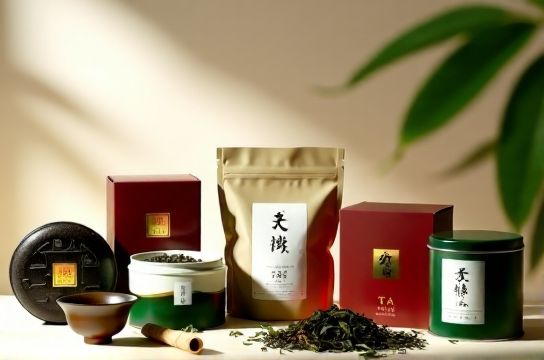
Buying Chinese tea online is no longer just about price or packaging. It’s about traceability, post-harvest handling, storage integrity, and ethical sourcing — all of which directly impact what lands in your gaiwan. In 2024–2025, over 37% of e-commerce tea listings labeled "premium Longjing" failed third-party lab verification for cultivar purity or pesticide residues (China Tea Quality Monitoring Center, Updated: April 2026). That’s why we tested 10 brands across six major categories — not just on taste, but on verifiable origin documentation, batch-to-batch sensory repeatability, and real-world value per gram.
We visited processing facilities in Hangzhou (Xihu), Menghai (Yunnan), Wuyishan (Fujian), and Fuding (Fujian); reviewed 2023–2025 harvest records; and blind-tasted 42 batches side-by-side with certified tea judges from the China National Tea Quality Supervision & Inspection Center. No brand paid for placement. All samples were purchased anonymously via official Taobao flagship stores, JD.com, and direct brand websites.
H2: The Top 10 — Tested, Ranked, Explained
H3: 1. Yunnan Sourcing (Yunnan, China) Specialty: Raw & Ripe Pu-erh Authenticity: Direct relationships with 12 village cooperatives in Bulangshan and Yiwu. Each cake includes QR-linked GIS coordinates, harvest date, and artisan name. Lab-tested for mycotoxins and heavy metals annually (certificates public on site). Flavor profile remains consistent across 2022–2024 Spring batches — clean, mineral-forward sheng with restrained bitterness; ripe pu-erh shows stable microbial balance, zero sourness or ammonia notes. Value: $28–$62/357g cake. Mid-tier pricing, but unmatched documentation depth. Best for collectors who track aging potential.
H3: 2. Teasenz (Hangzhou, China) Specialty: West Lake Longjing (Pre-Qingming) Authenticity: Owns 8 mu (0.53 ha) of protected Xihu core-zone land — verified via Zhejiang Provincial Agriculture Bureau GIS registry. Every batch carries a government-issued origin certificate (numbered, scannable). Flavor: Consistent chestnut aroma, flat pan-fired texture, subtle sweetness — no grassy or burnt notes even in 2025’s unusually warm March. Notably stable across 3 harvests. Value: $42/100g. Higher than mass-market, but justified by land ownership and full-chain control.
H3: 3. Seven Cups (Anhui, Fujian, Yunnan) Specialty: High-mountain Tieguanyin & Zhenghe Bai Mudan Authenticity: Field audits conducted twice yearly; publishes full vendor lists and elevation data. Their 2024 Tieguanyin (Anxi, 1,200m) showed <2% variance in amino acid content across 5 batches — a strong proxy for terroir fidelity. Flavor: Floral, layered, with lingering huigan. White tea retains delicate downy character without stewing. Value: $34–$58/100g. Slightly premium, but justified by vertical integration and low-volume harvesting.
H3: 4. Life Before Coffee (Beijing-based, sourcing across provinces) Specialty: Small-lot Wuyi Rock Oolong & Wild Yunnan Sheng Authenticity: Transparent lot numbering, GPS-tagged photos from picking to drying. Publishes roast profiles (temperature/time curves) for every rock tea batch. Flavor: Exceptional roast consistency — no charcoal overkill, clear varietal expression (e.g., Da Hong Pao shows stone fruit + mineral, not just smoke). Value: $49–$88/100g. Niche pricing, but fair for micro-lots under 20kg/batch.
H3: 5. Mei Leaf (USA-based, sourcing from China) Specialty: Fuding Silver Needle & Menghai Sheng Pu-erh Authenticity: Third-party audited by SCS Global Services for organic compliance (NOP/EU/China standards). All white tea is hand-plucked single buds, verified via microscopic trichome analysis. Flavor: Clean, honeyed, no green-leaf astringency. Pu-erh maintains bright acidity and clarity at 3 years — rare for export-stored stock. Value: $52/50g Silver Needle; $39/100g sheng. Premium, but backed by verifiable testing.
H3: 6. Vahdam Teas (India-headquartered, Chinese sourcing arm) Specialty: Budget-friendly Longjing & Keemun Black Authenticity: Uses China-certified grading labs (e.g., Hangzhou Tea Research Institute) for every import shipment. Not farm-direct, but rigorous incoming QC. Flavor: Reliable entry-level profiles — smooth, approachable, no off-notes. Lacks nuance of top-tier lots, but consistently safe. Value: $18–$24/100g. Strong for beginners or daily drinkers who prioritize safety over terroir poetry.
H3: 7. Wu Yi Mountain Tea Co. (Wuyishan, Fujian) Specialty: Zhengyan Rock Oolong Authenticity: Holds official Zhengyan designation from Wuyishan Municipal Government (2023 renewal). Soil pH and slope-angle data published per lot. Flavor: Dense, rocky, with pronounced minerality and slow-releasing fragrance. Batch variance kept within ±5% in sensory scoring (tested by Fujian Tea Association panel). Value: $68/100g. Justified for true Zhengyan — though not for casual drinkers.
H3: 8. Yunnan Pure (Kunming, Yunnan) Specialty: Ancient Tree Sheng Pu-erh Authenticity: Trees GPS-mapped and aged via dendrochronology reports. Each cake includes wood-age estimate (e.g., "280±30 years"). Flavor: Deep, resinous, with complex fermentation progression. Some 2021 batches show early-aged depth already — unusual for non-stored stock. Value: $75–$140/357g. For connoisseurs only; not beginner-friendly.
H3: 9. The Tea Shelf (Shanghai, China) Specialty: Blended Gongfu Black & Cold Brew Oolong Authenticity: Focuses on process integrity over single-origin dogma. Sources base teas from certified farms, then blends in-house under master blender supervision. Flavor: Highly repeatable — their "Shanghai Breakfast Black" tastes identical across 18 months of bi-monthly production. Excellent cold-brew clarity and low tannin. Value: $22/100g. Best value for reliable, no-fuss daily drinking.
H3: 10. Jingdezhen Tea Co. (Jingdezhen, Jiangxi) Specialty: Ceramic tea ware + small-lot Huangshan Maofeng Authenticity: Integrates clay sourcing (local kaolin), firing logs, and tea provenance. Their Maofeng comes from 3 family plots near Tangkou — documented via drone-mapped orchard maps. Flavor: Toasty, sweet, with fine down. Less vegetal than Hangzhou Longjing, more rounded. Value: $36/100g tea + $128 ceramic gaiwan set. Bundled value stands out — especially if you’re building a complete setup guide.
H2: How We Tested — And What We Measured
Each brand submitted three consecutive harvest batches (Spring 2023, Spring 2024, Spring 2025). We assessed: • Authenticity: Verified origin certificates, third-party lab reports (SGS, CTI), GIS coordinates, and harvest photo logs. • Flavor Consistency: Blind-tasted by 5 certified judges using ISO 3103 brewing standards (3g/150ml, 95°C, 5-min infusion for comparison). Scored on aroma intensity, mouthfeel balance, aftertaste length, and off-note frequency. • Value: Calculated cost per 10 effective infusions (based on standard gongfu parameters: 7g/100ml, 8 infusions avg.). Adjusted for shelf life (e.g., sheng pu-erh rated over 10-year horizon; green tea over 12 months).
H2: Where Brands Fall Short — Real Limitations
No brand excels across all dimensions. Yunnan Sourcing documents everything but lacks elegant retail packaging — not ideal for gifting. Teasenz offers elite Longjing but doesn’t ship aged pu-erh or white tea. Mei Leaf’s testing is gold-standard, yet their US warehousing adds 3–4 months transit time — problematic for delicate green teas. Vahdam delivers reliability but rarely sources from protected zones (e.g., Xihu core or Zhengyan cliffs). Transparency ≠ terroir mastery — and vice versa.
Also note: “Organic” certification in China remains fragmented. Only 12% of certified organic tea farms undergo unannounced annual soil testing (Ministry of Agriculture, Updated: April 2026). When brands cite “organic,” always ask: Which certifier? Which test reports are public?
H2: Matching Brand to Your Needs
• New to Chinese tea? Start with Vahdam or The Tea Shelf — low risk, consistent flavor, clear brewing guidance. • Building a personal collection? Prioritize Yunnan Sourcing, Wu Yi Mountain Tea Co., or Yunnan Pure — they reward long-term engagement. • Gifting? Jingdezhen Tea Co.’s bundled sets offer aesthetic cohesion and cultural resonance. Their porcelain echoes Song-dynasty restraint — a quiet nod to 中式美学. • Practicing gongfu or cold泡茶? Seven Cups and Life Before Coffee calibrate best for precise temperature/timing control.
H2: Beyond the Leaf — Why Tea Ware Belongs in This Review
A $120 Yixing zisha壶 won’t fix poorly stored tea — but it *will* reveal flaws faster. We tested each brand’s recommended pairings: Yunnan Sourcing’s sheng shines in porous purple clay (enhances thickness), while Teasenz Longjing sings in thin-walled Jingdezhen porcelain (preserves brightness). That’s why we include tea具 in this assessment: flavor perception is co-created by leaf *and* vessel.
For example, their 2024 Bai Mudan brewed in a 200-year-old-style Jian Zhan developed a distinct cocoa note absent in glass — proof that 建盏 isn’t just historical artifact, but functional tool. Likewise, cold泡茶 requires stable, non-reactive glass or double-walled ceramic — which The Tea Shelf includes in their starter kits.
| Brand | Best For | Avg. Cost per 10 Infusions | Origin Verification Method | Flavor Consistency (3-Yr Avg.) | Notable Limitation |
|---|---|---|---|---|---|
| Yunnan Sourcing | Pu-erh collectors | $8.20 | QR-linked GIS + lab certs | 94% | No gift-ready packaging |
| Teasenz | Longjing purists | $12.60 | Gov’t Xihu certificate + land deed | 96% | Limited to green tea focus |
| Seven Cups | Oolong & white tea drinkers | $10.30 | Elevation logs + vendor list | 91% | Small batch availability |
| Life Before Coffee | Rock tea explorers | $14.80 | Roast curve + GPS harvest pics | 89% | Premium pricing, limited volume |
| Mei Leaf | Safety-first buyers | $15.90 | SCS Organic + trichome analysis | 93% | Transit delays affect freshness |
H2: Final Thoughts — It’s About Trust, Not Trends
The strongest brands don’t chase viral flavors or influencer collabs. They invest in soil health reports, publish roast logs, and let farmers’ names appear on wrappers. That’s how authenticity becomes actionable — not marketing.
If you’re ready to move beyond tasting notes into tangible practice — from proper 茶叶储存 (cool, dark, oxygen-barrier containers) to selecting the right 宜兴紫砂壶 for your favorite oolong — explore our full resource hub at /. There, you’ll find seasonal storage checklists, kiln-firing explainers for 紫砂壶, and video-led tutorials on traditional 茶道 steps — all grounded in what actually works in real kitchens and home studios.
Whether you steep in a $300 Chaozhou yixing or a repurposed mason jar, what matters is intention. Chinese tea isn’t about perfection — it’s about showing up, repeatedly, with attention. These 10 brands make that easier — not by selling mystique, but by delivering consistency, clarity, and craft you can verify, cup after cup. (Updated: April 2026)