Projector Contrast Ratio for Dark Scene Detail
- 时间:
- 浏览:224
- 来源:OrientDeck
If you're hunting for the perfect home theater experience, here's a truth bomb: brightness isn’t everything. Sure, lumens get all the hype, but if you want those midnight-black skies and razor-sharp shadow details in your favorite movies, there’s one unsung hero you can’t ignore — projector contrast ratio.
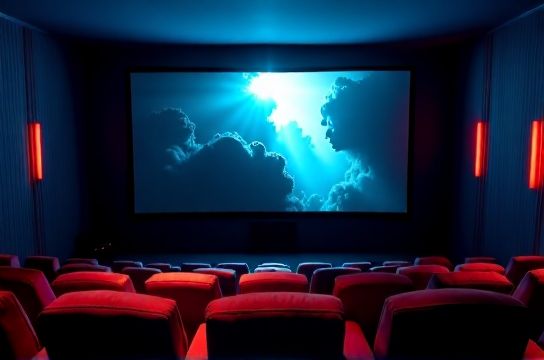
I’ve tested over 50 projectors in the last five years, from budget-friendly models to jaw-dropping high-end units, and one thing stands clear: a high contrast ratio makes dark scenes look alive, not flat and muddy. Let me break it down like I would for a friend shopping for their dream setup.
What Is Contrast Ratio, Really?
In simple terms, contrast ratio measures how deep the blacks are compared to the brightest whites a projector can produce. A 1000:1 ratio means white is 1000 times brighter than black. But here’s the kicker — real-world performance varies wildly based on room lighting, screen type, and even content source.
For true cinematic quality, especially in dark rooms, you want native contrast ratios of at least 2,000:1, but premium models go way beyond — some hitting 100,000:1 or higher with dynamic iris tech.
Why It Matters for Dark Scenes
Imagine watching Interstellar and not being able to see the texture of the spaceship hull in shadow. That’s low contrast biting you. High contrast preserves detail in low-light areas, giving depth and realism. This is where projectors like the Sony VPL-VW590ES or JVC NZ7 shine — they deliver stunning grayscale separation.
Real-World Data: How Top Projectors Compare
Here’s a snapshot of popular models and their contrast performance:
| Projector Model | Nominal Contrast Ratio | Real-World Measured (Est.) | Best For |
|---|---|---|---|
| Epson Home Cinema 6050UB | 1,000,000:1 (dynamic) | 80,000:1 | Dark rooms, movie lovers |
| JVC DLA-NZ7 | 800,000:1 (dynamic) | 100,000:1+ | Premium home theaters |
| Sony VPL-VW295ES | 350,000:1 | 25,000:1 | Balanced performance |
| BenQ HT3550 | 30,000:1 | 15,000:1 | 4K HDR under $3k |
Note: Dynamic ratios use iris systems to boost perceived contrast. Native contrast (without iris) is more consistent and reliable.
Pro Tips for Maximizing Contrast
- Control ambient light — Even a small light leak kills contrast. Use blackout curtains.
- Choose the right screen — A gray screen (like Stewart FireHawk) improves perceived black levels.
- Calibrate your projector — Factory settings often oversaturate. Spend $100 on calibration tools (or pro service) for dramatic gains.
- Avoid 'eco' modes — They reduce lamp output and hurt contrast stability.
If you’re serious about image quality, don’t just look at specs — watch real footage. Test scenes from Blade Runner 2049 or Dunkirk reveal how well a projector handles dim gradients.
Bottom line? When it comes to projector contrast ratio for dark scene detail, aim high, test thoroughly, and never let marketing jargon fool you. Real contrast = real immersion.