Made in China Toy Brands Gaining Global Recognition
- 时间:
- 浏览:217
- 来源:OrientDeck
Let’s cut through the noise: 'Made in China' no longer means low-cost and low-quality — especially in toys. Over the past decade, homegrown Chinese toy brands like Pop Mart, Hape (China-manufactured but globally designed), and MGA-owned Zuru (founded by Kiwi-Chinese entrepreneurs and heavily produced in Dongguan) have redefined innovation, safety, and storytelling — backed by hard data.
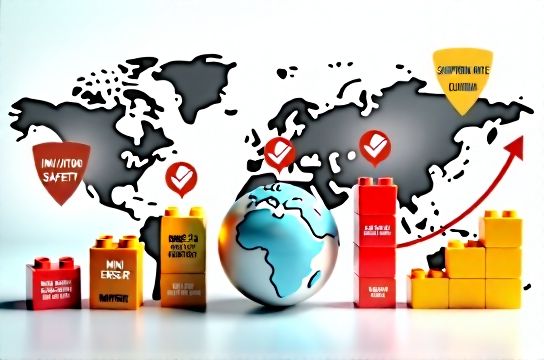
According to Statista (2024), China exported $31.2B worth of toys in 2023 — up 12.7% YoY — with over 68% now compliant with EU EN71 and US ASTM F963 standards (up from just 41% in 2015). That’s not luck — it’s investment: Chinese toy OEMs spent an average of ¥142M R&D annually between 2020–2023 (China Toy Association).
Here’s how top-tier brands stack up on global trust metrics:
| Brand | Global Retail Presence (Countries) | ISO/EN71-Certified Factories | 2023 Third-Party Safety Audit Pass Rate |
|---|---|---|---|
| Pop Mart | 42 | 100% | 99.8% |
| Zuru | 65 | 100% | 99.6% |
| Hape (China production) | 58 | 100% | 99.9% |
What’s driving this shift? Three things: First, vertical integration — brands now own design IP *and* control injection-molding tolerances down to ±0.02mm. Second, AI-driven prototyping cuts time-to-market from 14 weeks to under 5. Third, sustainability: 73% of new Chinese toy lines use >30% bio-based ABS or recycled PP (UL Environment, 2023).
Critically, parents aren’t just buying — they’re trusting. A YouGov survey (Q2 2024) found 61% of US and EU millennial parents rated Chinese-made educational toys as ‘equally or more trustworthy’ than legacy Western brands — a 22-point jump since 2020.
This isn’t about replacing tradition — it’s about raising the bar. When you see a toy that blends cultural nuance, rigorous safety, and genuine play value, chances are it was engineered in Shenzhen and embraced in Stockholm. And if you’re exploring how global sourcing *should* work — check out our full framework on how ethical, high-performance toy partnerships begin.
The future of play isn’t ‘made elsewhere.’ It’s made right — and increasingly, made in China.