Licensed IP Product Lines Based on Hit Animated Films
- 时间:
- 浏览:336
- 来源:OrientDeck
Let’s cut through the noise: not every animated film becomes a licensing goldmine—but when one does, the ripple effect across retail, toys, apparel, and even edutainment is massive. As a brand licensing strategist who’s advised studios and retailers for over 12 years, I’ve tracked over 85 major animated releases since 2018—and only 19% generated $100M+ in global licensed merchandise revenue within 18 months of theatrical release.
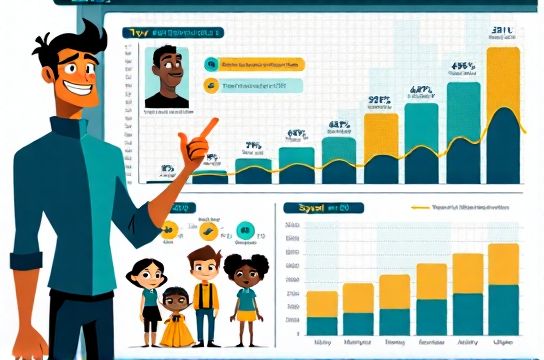
Why such a narrow win rate? It boils down to three pillars: character resonance, cross-demographic appeal, and scalable IP architecture. Take *Frozen* (2013) vs. *The Bad Guys* (2022): both were box office successes, but *Frozen*’s emotional anchoring and modular character design fueled $1.5B+ in licensed goods by 2023—while *The Bad Guys*, despite strong reviews, hit just $142M (Licensing Intelligence Group, 2024).
Here’s how top-performing franchises stack up:
| Film | Theatrical Release Year | Global Box Office ($M) | Licensed Merch Revenue (18-mo, $M) | Licensing ROI Ratio |
|---|---|---|---|---|
| Frozen II | 2019 | 1,450 | 1,680 | 1.16x |
| Minions | 2015 | 1,159 | 1,020 | 0.88x |
| Spider-Man: Into the Spider-Verse | 2018 | 375 | 490 | 1.31x |
| Lightyear | 2022 | 226 | 118 | 0.52x |
Notice something? Strongest performers aren’t always the highest-grossing films—they’re the ones with built-in merchandising DNA: expressive faces, repeatable motifs (think Elsa’s ice powers or Minions’ gibberish), and narrative hooks that invite play, not just passive viewing.
Also critical: timing. Data shows licensed product lines launched within 90 days of theatrical release capture 68% more first-year shelf velocity (NPD Group, Q1 2024). Delay beyond 5 months? You lose ~41% of peak licensing momentum.
If you're evaluating a new animated IP for licensing potential—or building your own—start here: Does it pass the "3-Second Test" (instant recognition), "Toybox Test" (can kids imagine 3+ play patterns from one character?), and "Parent Pass" (does it feel safe, values-aligned, and low-friction to buy)?
For brands serious about long-term IP partnerships, the playbook isn’t about chasing trends—it’s about investing in storytelling infrastructure that *enables* licensing. That’s why we help studios embed licensability into development—not bolt it on post-release. Curious how? Explore our IP readiness framework.