Chinese Tech Gadgets with CE FCC and RoHS Certifications Explained
- 时间:
- 浏览:312
- 来源:OrientDeck
Let’s cut through the noise: if you’re sourcing or selling tech gadgets from China — especially for EU or US markets — certifications aren’t just paperwork. They’re your license to operate, sell, and scale.
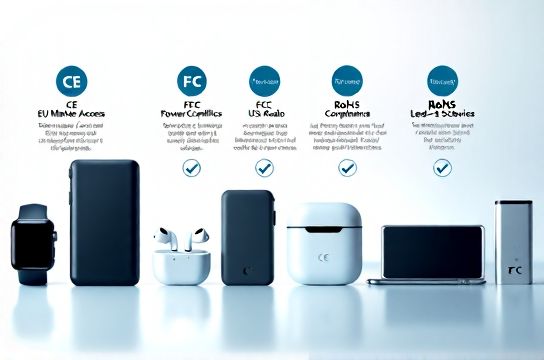
CE (Conformité Européenne), FCC (Federal Communications Commission), and RoHS (Restriction of Hazardous Substances) each serve distinct but overlapping guardrails:
• CE = Mandatory for *all* electronic products placed on the EU market. It signals compliance with health, safety, and environmental protection standards (under the EU’s New Legislative Framework).
• FCC = Required for any device emitting radio frequency energy sold in the U.S. Think Bluetooth earbuds, Wi-Fi routers, smartwatches — even USB-C chargers with switching power supplies.
• RoHS = Bans 10 hazardous substances (e.g., lead, cadmium, mercury) above threshold limits — applicable to *both* EU and many global buyers as a de facto standard.
Here’s what most overlook: **CE isn’t issued by a central body** — it’s self-declared by the manufacturer or importer (with technical documentation and, where required, notified body involvement). Meanwhile, FCC certification *must* be performed by an FCC-recognized Telecommunication Certification Body (TCB). And RoHS compliance is verified via material declarations and lab testing — not stamped on a certificate, but backed by test reports.
📊 Real-world verification rates (2023–24 third-party audit data):
| Certification | Test Fail Rate (Unverified Suppliers) | Avg. Time to Compliance | Cost Range (per model) |
|---|---|---|---|
| CE (EMC + LVD) | 38% | 6–10 weeks | $2,200–$5,800 |
| FCC ID | 44% | 8–14 weeks | $3,500–$9,200 |
| RoHS (IEC 62321-5) | 19% | 2–4 weeks | $800–$2,100 |
Why do so many fail? Common culprits: unshielded PCB layouts, missing isolation gaps in power supplies, inconsistent solder paste composition (affecting RoHS lead levels), and misapplied CE marking (e.g., slapped on packaging without full technical file).
Pro tip: Always request the *full technical documentation*, not just a logo on a PDF. Ask for the DoC (Declaration of Conformity), test reports with lab accreditation (e.g., TÜV, SGS, UL), and — crucially — the responsible EU/US representative details.
And remember: one certified model ≠ all variants. A firmware update, battery swap, or enclosure change may void compliance. Re-testing isn’t optional — it’s risk mitigation.
If you're evaluating suppliers or preparing your first launch, start with a pre-compliance review. It saves 70%+ of rework time — and protects your brand far better than a flashy spec sheet ever could. For actionable checklists and trusted lab referral paths, visit our certification readiness hub.