AI in Transportation Drives Smarter Traffic Management
- 时间:
- 浏览:283
- 来源:OrientDeck
Let’s be real—traffic sucks. Whether you're stuck behind a double-parked delivery van or sitting through the fifth red light in a row, urban congestion feels like it's only getting worse. But here’s the good news: AI in transportation is quietly revolutionizing how we move through cities.
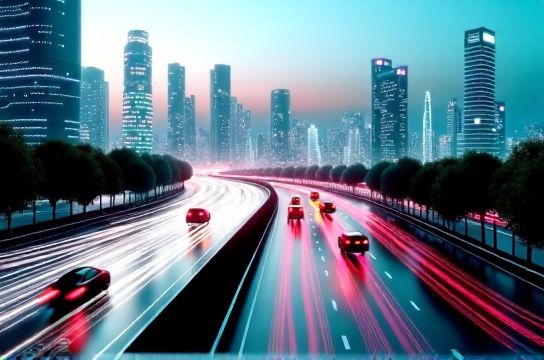
I’ve been tracking smart mobility trends for over six years, and what I’m seeing now isn’t just incremental improvement—it’s a full-scale system upgrade. Cities are no longer just counting cars; they’re predicting traffic patterns, adjusting signals in real time, and even preventing jams before they happen. And at the heart of it all? Artificial intelligence.
How AI Is Actually Fixing Traffic
Take Los Angeles, for example. Their AI-powered traffic management system, ATSAC, uses cameras and sensors across 450 square miles to monitor flow. When an accident happens on the 10 Freeway, the system doesn’t just detect it—it reroutes signal timing on connecting streets within minutes. Result? A 12% average reduction in travel time citywide (source: LADOT, 2023).
This isn’t magic—it’s machine learning trained on years of traffic data. These systems learn peak congestion patterns, recognize anomalies, and adapt faster than any human operator could.
Real-World Results: By the Numbers
Here’s a snapshot of what AI-driven systems have achieved in major cities:
| City | System Used | Travel Time Reduction | CO₂ Emissions Cut |
|---|---|---|---|
| Los Angeles, USA | ATSAC + AI layer | 12% | 8.5% |
| Singapore | Intelligent Transport System (ITS) | 18% | 11% |
| Barcelona, Spain | SCATS AI | 15% | 9% |
These aren’t projections—they’re verified outcomes from city transport departments. And the trend is accelerating.
What Makes Modern AI Systems Different?
Older traffic systems used fixed timers or basic sensor triggers. Today’s AI in transportation platforms do three things better:
- Predict congestion using historical + real-time data
- Adapt signal timing dynamically (not just on a schedule)
- Integrate with navigation apps like Google Maps and Waze to guide drivers proactively
In Pittsburgh, the Surtrac system reduced travel times by 25% and idling by 40%. How? Because each intersection makes independent decisions that coordinate across the network—like a swarm of smart traffic cops.
The Road Ahead
The next wave? AI that talks to your car. With V2X (vehicle-to-everything) tech rolling out, self-driving vehicles will receive real-time updates from city AI systems, creating a seamless flow. Early pilots in Columbus, Ohio show promise—up to 30% smoother intersections during rush hour.
Of course, challenges remain: privacy concerns, infrastructure costs, and equitable access. But the data is clear—cities investing in intelligent traffic AI see faster commutes, cleaner air, and happier citizens.
If you're building smart city solutions or just tired of gridlock, keep an eye on this space. The future of urban mobility isn’t just electric or autonomous—it’s intelligently managed.