Autonomous Shuttle Trials Expand in China's Smart Cities
- 时间:
- 浏览:219
- 来源:OrientDeck
If you're into smart mobility or just curious about where urban transport is headed, China’s latest moves in autonomous shuttle trials are definitely worth your attention. As a tech-savvy blogger who’s been tracking self-driving trends across Asia, I’ve got to say—China isn’t just catching up; it’s setting the pace.
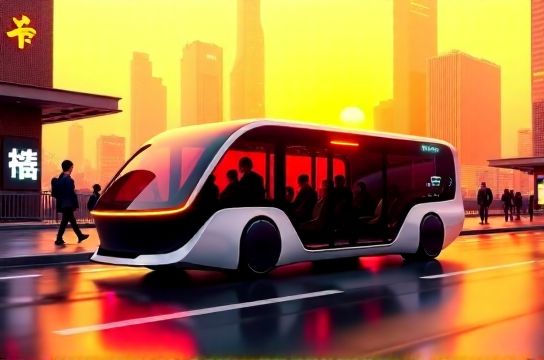
From Shanghai to Guangzhou, autonomous shuttles are no longer sci-fi—they’re navigating real streets, serving real commuters, and collecting serious data. In 2023 alone, over 40 pilot zones for intelligent connected vehicles (ICVs) were approved nationwide, with cities investing heavily in infrastructure like 5G-enabled traffic lights and V2X (vehicle-to-everything) communication systems.
Take Shenzhen, for example. The city rolled out a fleet of WeRide Robobuses across its Qianhai district, covering a 20-km loop with 18 stops. According to local transport authorities, these shuttles completed over 150,000 trips in six months—with a 99.7% on-time rate and zero at-fault accidents. That’s not just efficient; it’s redefining public transit safety.
But how do they compare to traditional buses? Let’s break it down:
| Metric | Traditional Bus | Autonomous Shuttle |
|---|---|---|
| Avg. Operating Cost/km | $1.80 | $0.95 |
| Maintenance Frequency | Every 8,000 km | Every 15,000 km |
| CO₂ Emissions/km | 680g | 0g (electric) |
| Passenger Capacity | 50–80 | 12–18 |
As you can see, while shuttles carry fewer people, their lower costs and zero emissions make them ideal for last-mile connectivity. And let’s be real—no driver shortages, no fatigue issues, and 24/7 operation potential? That’s a win for city planners.
Now, if you're wondering whether this is just a flash in the pan, consider this: Baidu Apollo has already launched driverless shuttle services in over 10 cities, logging more than 70 million kilometers collectively. Their 5th-gen RT6 shuttle cuts operational costs by nearly 50% compared to earlier models, thanks to full in-house R&D and mass production.
Still skeptical? You should know that Chinese regulators are actually accelerating approval processes. By 2025, the government aims to have Level 4 autonomy (fully autonomous under specific conditions) deployed in at least 30 urban clusters. This isn’t just policy—it’s a national strategy backed by $15 billion in public-private funding.
One underrated factor? Data. These shuttles generate up to 5 TB per day—used to refine AI decision-making in complex environments like pedestrian-heavy zones and unpredictable weather. With deep learning models trained on real Chinese road behaviors (yes, even jaywalkers), these systems adapt faster than foreign counterparts.
So what does this mean for the future of transit? For starters, expect more mixed-traffic trials, deeper integration with metro apps, and eventually, seamless door-to-door mobility via autonomous shuttle networks. Whether you're a city planner, investor, or just a curious rider, now’s the time to pay attention.
In short: China’s not waiting for the future. It’s building it—one smart shuttle at a time.