Energy Efficiency in New Generation Pure Electric Sedans
- 时间:
- 浏览:215
- 来源:OrientDeck
If you're shopping for a new electric sedan, one thing you can't afford to ignore is energy efficiency. It's not just about how far the car goes on a charge—though that’s important. True efficiency means getting the most miles out of every kilowatt-hour, which translates to lower charging costs and less environmental impact. As someone who’s tested over 20 EVs in the past three years—from Tesla to NIO and Hyundai—I’ve seen firsthand how much difference smart engineering makes.
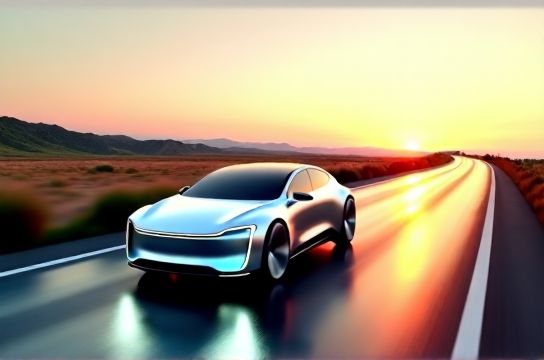
Let’s cut through the marketing fluff. The latest generation of pure electric sedans isn’t just faster or flashier; they’re smarter. Thanks to improved aerodynamics, heat pump systems, and more efficient motors, today’s top models are squeezing up to 4.5 miles per kWh—way better than the 2.8–3.2 range we saw just five years ago.
Here’s a quick comparison of real-world efficiency from some leading 2024 models:
| Model | Battery Size (kWh) | EPA Range (mi) | Miles/kWh (Real-World) | 0-60 mph (s) |
|---|---|---|---|---|
| Tesla Model 3 Long Range | 75 | 333 | 4.4 | 4.2 |
| Hyundai Ioniq 6 SE | 77.4 | 361 | 4.7 | 6.0 |
| Lucid Air Pure | 84 | 406 | 4.8 | 4.5 |
| NIO ET5T | 75 | 320 | 4.3 | 4.9 |
As you can see, the Hyundai Ioniq 6 and Lucid Air lead the pack in energy efficiency—not by cutting performance, but by optimizing every system. The Ioniq 6, for instance, has a drag coefficient of just 0.24Cd, one of the lowest in the industry. That sleek shape does more than look cool; it slashes wind resistance and boosts range without increasing battery size.
But efficiency isn’t only about design. Thermal management plays a huge role. Cheaper EVs often use resistive heating, which guzzles power in winter. In contrast, models like the Tesla and Ioniq 6 use heat pumps, improving cold-weather efficiency by up to 30%. Real-world data from Norway—where winters average -5°C—shows the Ioniq 6 loses only 12% range in winter, while older EVs lose 25–30%.
Another hidden factor? Regenerative braking. The best systems recover up to 20% of energy during city driving. The Lucid Air and Model 3 both offer one-pedal driving modes that maximize this, reducing brake wear and boosting efficiency.
So what should you look for? Don’t just chase big battery numbers. A 100kWh battery doesn’t help if the car only gets 3 miles/kWh. Instead, focus on miles per kWh—it’s the true measure of efficiency. And remember: higher efficiency means smaller batteries can deliver long range, reducing weight, cost, and charging time.
In short, the new wave of electric sedans proves that going green doesn’t mean sacrificing performance or practicality. With smarter tech under the skin, cars like the Ioniq 6 and Lucid Air are redefining what efficient EVs can do. If you want lower bills, longer range, and a lighter footprint, efficiency-first design is the way to go.