EV Startups Challenge Traditional Automakers with Bold Designs
- 时间:
- 浏览:213
- 来源:OrientDeck
Let’s be real — when it comes to electric vehicles, the game has changed. It's no longer just about Tesla dominating the scene. A new wave of EV startups is stepping up with bold designs, cutting-edge tech, and a fresh approach that’s putting pressure on legacy automakers. If you're shopping for an EV in 2024, you can’t afford to ignore these rising players.
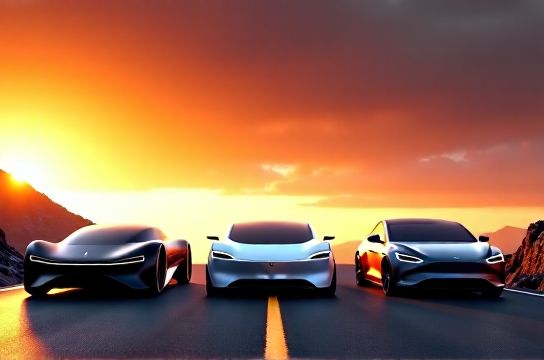
So what makes these startups different? For one, they’re not weighed down by decades of combustion-engine baggage. They’re built from the ground up to innovate — in software, user experience, and yes, design. Take Lucid Motors, for example. Their Air sedan isn’t just sleek; it holds the title for longest EPA range (over 516 miles on a single charge). That’s not a typo.
Then there’s Rivian, focusing on adventure-ready electric trucks and SUVs. Their R1T beat Ford and GM to market with a fully electric pickup — and it shows. With features like ‘tank turn’ (yes, really) and underfloor storage, it’s redefining what utility means in the EV age.
But don’t just take my word for it. Let’s look at some hard numbers:
| Model | Battery Range (EPA) | 0-60 mph | Starting Price |
|---|---|---|---|
| Lucid Air Pure | 410 miles | 3.8 sec | $77,400 |
| Rivian R1T | 328 miles | 3.0 sec | $73,000 |
| Ford F-150 Lightning | 320 miles | 4.5 sec | $55,000 |
| Tesla Model S | 405 miles | 3.1 sec | $69,490 |
As you can see, startups aren’t just matching traditional automakers — they’re outperforming them in key areas. The Lucid Air offers more range than the Tesla Model S at a competitive price. Meanwhile, Rivian’s R1T accelerates faster than the Ford Lightning while offering more innovative features.
But here’s the catch: availability. Many of these startups still struggle with production scale. While Tesla moves hundreds of thousands of units annually, Lucid delivered just over 8,000 cars in 2023. That scarcity drives exclusivity — but also frustration for eager buyers.
Still, the momentum is undeniable. According to McKinsey, EV startups could capture up to 15% of the global EV market by 2030, especially in premium and niche segments. Their agility allows faster updates, over-the-air improvements, and customer-centric design — things legacy brands often lag on.
In short, if you want innovation, style, and performance, today’s EV startups are worth your attention. They’re not just challenging the old guard — they’re redefining what an electric car can be.