How Startups Are Disrupting the Traditional EV Industry
- 时间:
- 浏览:269
- 来源:OrientDeck
If you've been keeping an eye on the electric vehicle (EV) space lately, you’ve probably noticed something wild: it’s not just Tesla shaking things up anymore. A new wave of EV startups is charging in—literally—and they’re challenging decades-old auto giants with fresh tech, bold designs, and smarter business models.
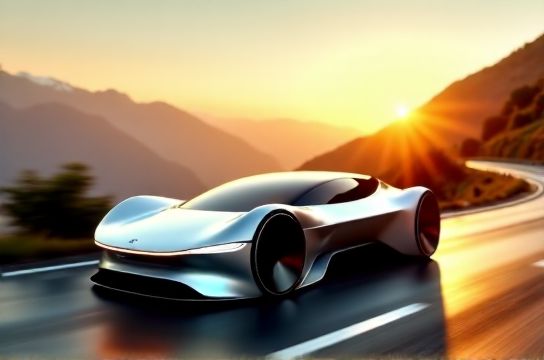
I’ve spent the last three years tracking emerging mobility trends, from Silicon Valley garage projects to full-scale production rollouts. And let me tell you—these startups aren’t just hype. They’re backed by serious funding, engineering talent, and consumer demand for greener, smarter rides.
Why Now? The Perfect Storm for EV Startups
A few key factors have created a golden window for disruption:
- Battery costs have dropped over 80% since 2010 (BloombergNEF)
- Global EV adoption is expected to hit 60% of new car sales by 2030
- Traditional automakers are slow to pivot due to legacy infrastructure
This gap? That’s where startups thrive. While Detroit and Stuttgart fine-tune combustion engines, companies like Rivian, Lucid, and NIO are building vehicles from the ground up—with software at the core.
Startup vs. Legacy: Who’s Winning the EV Race?
Let’s break it down with some real data:
| Company | Type | Range (mi) | 0-60 mph (s) | Starting Price |
|---|---|---|---|---|
| Lucid Air | Startup | 516 | 2.5 | $77,400 |
| Tesla Model S | Startup | 405 | 3.1 | $74,990 |
| Mercedes EQS | Legacy | 350 | 4.1 | $104,400 |
| Rivian R1T | Startup | 328 | 3.0 | $73,000 |
| Ford F-150 Lightning | Legacy | 320 | 4.5 | $72,474 |
As you can see, startups are matching—or beating—legacy brands in performance and efficiency, often at lower price points. The EV startups leading this charge focus on user experience, OTA updates, and modular platforms that scale fast.
The Hidden Edge: Software & Customer Experience
Here’s what most reviews miss: it’s not just about horsepower or range. The real advantage? Software.
Take Lucid Motors, for example. Their DreamDrive Pro system offers true hands-free highway driving with AI-powered navigation. Meanwhile, traditional OEMs are still licensing third-party infotainment systems that crash more often than your phone app.
Startups also control their distribution. No dealerships. No haggling. Just direct-to-consumer sales—like buying an iPhone online. This cuts costs and builds stronger customer relationships.
Challenges Ahead
Make no mistake—building cars is hard. We’ve seen promising names like Fisker and Canoo struggle with production delays and cash flow. Scaling requires massive capital, supply chain mastery, and regulatory know-how.
But the trend is clear: innovation is shifting from boardrooms in Munich to labs in Palo Alto and factories in Arizona.
Final Thoughts
The traditional EV industry isn’t dying—it’s being upgraded. And if you're looking to buy your next electric car, don’t just default to a rebadged gas model. Check out what the new players are offering. You might be shocked at how far EV startups have come.