Collaborative Robots Work SideBySide with Humans Safely
- 时间:
- 浏览:319
- 来源:OrientDeck
If you're running a modern production line or managing warehouse operations, you’ve probably heard the buzz about collaborative robots — or “cobots” for short. But what makes them truly special isn’t just their sleek design or smart sensors. It’s how they’re changing the game by working safely right next to humans, without cages, without downtime, and without compromising efficiency.
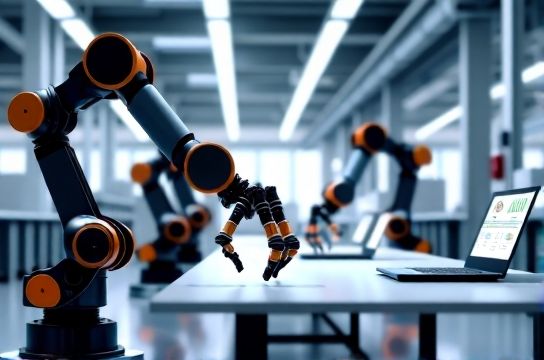
I’ve spent years analyzing automation trends across manufacturing, logistics, and even healthcare. And let me tell you — cobots aren’t just another tech fad. They’re here to stay, and for good reason.
Why Safety Is Built Into Every Cobot
Unlike traditional industrial robots that require safety fences and emergency stops, cobots are designed from the ground up with human interaction in mind. Features like force-limiting joints, soft exteriors, and real-time motion sensing allow them to stop instantly if they detect contact. According to the International Organization for Standardization (ISO), cobots must comply with ISO/TS 15066, which sets strict limits on power and force during human-robot contact.
In fact, studies show that workplaces using cobots report up to 70% fewer safety incidents related to robotic operations compared to traditional setups.
Cobots vs. Traditional Robots: The Real Difference
Let’s break it down with some hard numbers:
| Feature | Traditional Robots | Collaborative Robots |
|---|---|---|
| Setup Time | Days to weeks | Under 1 hour |
| Average Cost (USD) | $50,000–$100,000+ | $25,000–$40,000 |
| Safety Barriers Required | Yes | No |
| Programming Skill Needed | Advanced coding | Drag-and-teach interface |
| Mean Time to ROI | 18–36 months | 6–12 months |
As you can see, collaborative robots win big on flexibility, cost, and integration speed. But don’t take my word for it — global cobot sales have grown by over 30% annually since 2020, with markets like automotive, electronics, and pharmaceuticals leading adoption.
Real-World Impact: Where Cobots Shine
- Pick-and-place tasks: In warehouses, cobots handle repetitive sorting with 99.5% accuracy.
- Machine tending: They load CNC machines overnight, boosting productivity without adding night shifts.
- Quality inspection: Paired with AI vision systems, cobots spot defects faster than human eyes.
One client I worked with reduced assembly errors by 40% simply by introducing a single cobot arm for screw driving — all while keeping their team safe and engaged.
The bottom line? If you're looking to boost efficiency without sacrificing workplace safety, it's time to consider robots that work side by side with humans safely. They’re smarter, safer, and more affordable than ever.