Hydrogen Fuel Cell Cars A Viable Alternative to Batteries
- 时间:
- 浏览:309
- 来源:OrientDeck
If you're tired of the endless battery-electric vehicle (BEV) hype and charging anxiety, it might be time to look at the dark horse in clean mobility: hydrogen fuel cell cars. As someone who’s tested nearly every EV on the market—and dug deep into energy infrastructure—I’m convinced hydrogen isn’t just sci-fi fantasy. It’s a legit, scalable alternative, especially for specific use cases.
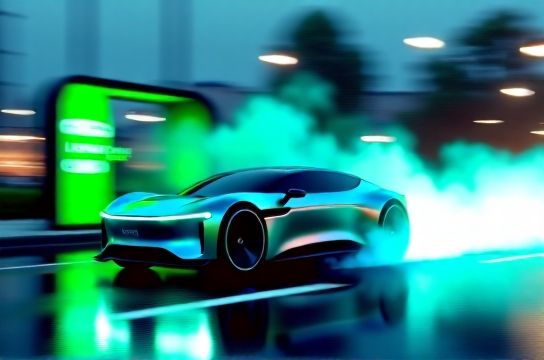
Let’s cut through the noise. While BEVs dominate headlines, they face real-world limits: long charging times, heavy batteries, and strain on electricity grids. Enter hydrogen fuel cell electric vehicles (FCEVs). They run on hydrogen gas, emit only water vapor, and refuel in under 5 minutes—yes, like gasoline.
But is hydrogen really efficient? Critics point to well-to-wheel efficiency, where FCEVs lag behind BEVs. True: turning electricity into hydrogen via electrolysis, then back into electricity in a fuel cell, loses about 70–75% of the original energy. But that’s not the full story.
In applications needing fast refueling and long range—like trucks, buses, or fleets—hydrogen shines. According to the U.S. Department of Energy, a Class 8 hydrogen truck can travel 600+ miles on a single fill, with refueling taking just 15 minutes. Try doing that with a 10-ton battery.
Real-World Performance: FCEVs vs. BEVs
Here’s how top models stack up:
| Model | Type | Range (EPA) | Refuel/Charge Time | Starting Price |
|---|---|---|---|---|
| Toyota Mirai | FCEV | 402 miles | 5 min | $49,500 |
| Honda Clarity Fuel Cell | FCEV | 360 miles | 5 min | Lease only |
| Tesla Model 3 Long Range | BEV | 358 miles | 25 min (DC fast charge) | $47,780 |
| Hyundai Ioniq 5 | BEV | 303 miles | 18 min (10–80%) | $41,450 |
Notice something? The Mirai beats the Model 3 in refuel speed and range, despite similar pricing. And while BEVs win on efficiency, FCEVs offer unmatched convenience for road trips and cold climates—where lithium-ion performance drops sharply.
The bigger picture? Infrastructure is catching up. California has over 60 public hydrogen stations, with plans for 100 by 2030. Japan and Germany are investing billions. Meanwhile, green hydrogen—made from renewable-powered electrolysis—is scaling fast. BloombergNEF predicts green hydrogen could cost under $2/kg by 2030, making FCEVs cost-competitive at the pump.
Bottom line: Hydrogen fuel cell cars aren’t here to replace every BEV. But for drivers who need quick refueling, live in cold regions, or drive heavy-duty vehicles, they’re a smarter, more practical zero-emission choice. Don’t sleep on hydrogen—it might just power the next phase of clean transport. Learn more at our guide to future sustainable vehicles.