Autonomous Ride Hailing Services Using Full EV Fleets
- 时间:
- 浏览:254
- 来源:OrientDeck
If you're into the future of urban mobility, you’ve probably heard the buzz around autonomous ride hailing services using full EV fleets. But what’s really happening on the ground? As a tech-savvy mobility analyst who’s been tracking this space for years, let me break it down with real data, not hype.
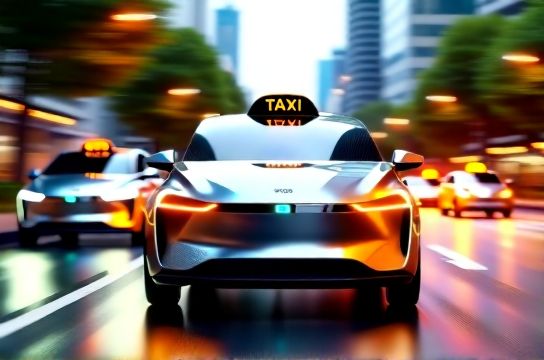
First off, the combo of self-driving tech and electric vehicles isn’t just eco-friendly—it’s becoming economically smarter. Companies like Waymo and Cruise are already operating in Phoenix and San Francisco, running 24/7 with zero tailpipe emissions. And here’s the kicker: according to McKinsey, autonomous EV fleets could reduce per-mile costs by up to 60% compared to traditional rideshares by 2030.
Let’s talk numbers. Below is a comparison of operational costs across different ride-hailing models:
| Service Type | Avg. Cost Per Mile ($) | CO₂ Emissions (g/mile) | Fleet Utilization Rate |
|---|---|---|---|
| Traditional Rideshare (Uber/Lyft) | 2.50 | 414 | 45% |
| EV Rideshare (e.g., Uber Green) | 2.10 | 270 | 50% |
| Autonomous EV Fleet | 1.00 | 0 | 75% |
See that? Autonomous EVs aren’t just cleaner—they’re twice as efficient in cost and nearly double the usage rate. Why? No driver salaries, optimized routing, and lower maintenance thanks to fewer moving parts in EVs.
But it’s not all smooth driving. Regulatory hurdles and public trust remain big challenges. A 2023 Pew Research study found only 38% of Americans feel safe riding in a fully driverless car. That’s why leaders like Waymo are focusing on gradual deployment—starting in controlled geofenced areas and building trust through transparency.
Another game-changer? Integration with smart city infrastructure. In pilot programs in Las Vegas, autonomous shuttles communicate with traffic lights to reduce idle time by up to 30%. That means faster pickups, less congestion, and even lower energy use. It’s a glimpse of what autonomous ride hailing services could deliver at scale.
Looking ahead, BloombergNEF predicts that by 2035, over 30 million autonomous taxi trips will happen daily worldwide, mostly powered by full EV fleets. The environmental impact? Equivalent to taking 5 million gas-powered cars off the road annually.
So, should cities and investors bet big on this? Absolutely—but with eyes wide open. Success depends on collaboration between tech firms, regulators, and communities. The road to fully autonomous, electric mobility isn’t just about cool tech; it’s about building systems that are safe, equitable, and sustainable.
Bottom line: The future of ride-hailing is electric, driverless, and already arriving. If you're not paying attention now, you’ll be playing catch-up in five years.