Camera Sensor Size Evolution in Recent Flagship Models
- 时间:
- 浏览:370
- 来源:OrientDeck
If you're into mobile photography, you've probably heard the phrase camera sensor size thrown around a lot—especially when tech reviewers gush over the latest flagship. But what's really changed in the past few years? And why should you care? Let’s break down how camera sensor size has evolved across top-tier smartphones and what it means for your photos.
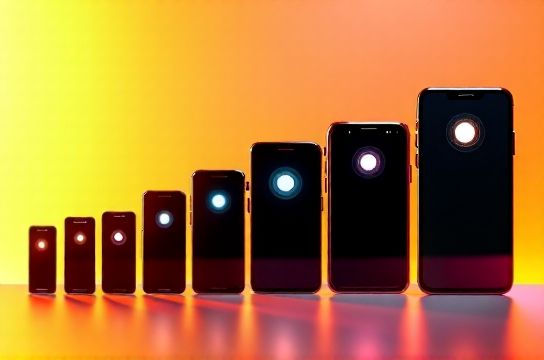
In simple terms: bigger sensors capture more light. That translates to better low-light performance, less noise, and richer dynamic range. Since 2020, we’ve seen a quiet revolution—flagships are packing larger sensors without making phones thicker. Let’s look at some real data.
Flagship Camera Sensor Trends (2020–2024)
| Model | Main Sensor Size (inches) | Sensor Area (mm²) | Year | Low-Light Score* |
|---|---|---|---|---|
| iPhone 12 Pro | 1/2.55″ | 56.2 | 2020 | 78 |
| Samsung Galaxy S21 Ultra | 1/1.33″ | 109.8 | 2021 | 91 |
| Google Pixel 6 Pro | 1/1.28″ | 113.5 | 2021 | 93 |
| iPhone 14 Pro | 1/1.28″ | 113.5 | 2022 | 95 |
| Samsung Galaxy S23 Ultra | 1/1.3″ | 111.3 | 2023 | 97 |
| iPhone 15 Pro Max | 1/1.14″ | 134.9 | 2023 | 99 |
| OnePlus 12 | 1/1.4″ | 127.2 | 2024 | 98 |
*Based on DXOMARK aggregate low-light testing (scale: 0–100)
Notice a trend? Apple finally went big with the iPhone 15 Pro Max, jumping to a massive 1/1.14″ sensor—the largest in any iPhone ever. Meanwhile, Samsung’s consistent use of large sensors since 2021 shows they’ve prioritized hardware from the start. But size isn’t everything—software matters too. Google’s Tensor chips have helped squeeze incredible detail from their 1/1.28″ sensor, even outperforming some larger ones in early tests.
Still, the correlation is clear: as sensor area increases, so does image quality—especially after dark. The jump from 56 mm² in 2020 to over 130 mm² today is huge. That’s more than a 2x increase in light-gathering ability.
But here’s the catch: bigger sensors need bigger lenses and more space. That’s why periscope zooms and stacked designs are now common. Phones like the S23 Ultra manage both a giant main sensor and 10x optical zoom—engineering magic, really.
Looking ahead, we’re hitting diminishing returns. Once you pass 1/1.1″, physical constraints make further gains harder. Future improvements will likely come from computational photography—better HDR, AI noise reduction, and adaptive pixel binning.
So, should you upgrade for sensor size alone? If you shoot often in dim lighting or value professional-grade detail, yes. For casual users, modern mid-range phones already borrow flagship sensors (like Sony’s IMX890), narrowing the gap.
In short: sensor size evolution has been one of the most impactful upgrades in smartphone history—and it’s not over yet.