Blade Battery Tech Enhancing EV Safety and Efficiency
- 时间:
- 浏览:219
- 来源:OrientDeck
Let’s talk about something that’s quietly revolutionizing the EV world: blade battery technology. If you’ve been shopping for electric vehicles lately, especially Chinese-made ones like BYD models, you’ve probably heard the term. But what makes it so special? Spoiler: it’s not just marketing fluff — this is real engineering innovation that’s boosting both safety and efficiency in ways other batteries struggle to match.
Why Blade Batteries Are a Game-Changer
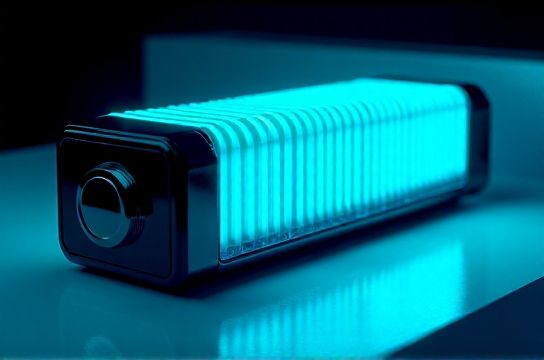
Traditional lithium-ion batteries use cylindrical or pouch-style cells. These work fine, but they come with risks — especially under impact or overheating. Enter BYD’s blade battery, introduced in 2020. It’s a long, thin, rectangular cell (hence “blade”) that stacks directly into the battery pack without extra casing.
The big win? Higher space utilization — up to 50% more energy density than older LFP (lithium iron phosphate) packs — and dramatically improved structural rigidity. But the real headline came from that infamous nail penetration test: while conventional batteries caught fire, the blade battery stayed cool — literally.
Safety First: The Nail Test That Shocked the Industry
In independent tests, blade batteries showed surface temps below 60°C after nail puncture. Compare that to over 400°C for some ternary NCM batteries. That’s not just safer — it reduces the need for complex cooling systems, cutting costs and weight.
| Battery Type | Energy Density (Wh/kg) | Thermal Runaway Temp | Nail Test Result |
|---|---|---|---|
| Traditional NCM | 200–250 | ~180°C | Fire/Explosion |
| Standard LFP | 90–120 | ~270°C | Smoke |
| Blade Battery | 140–150 | >800°C | No Fire, <60°C |
This kind of performance has made regulators and insurers take notice. In China, EVs with blade batteries now qualify for lower premiums — a rare case where safety improvements directly cut ownership costs.
Efficiency & Longevity You Can Bank On
BYD claims a 1.2 million km lifespan for their blade batteries. Real-world data from fleet operators shows around 90% capacity retention after 3,000 charge cycles — way ahead of the industry average. That means your EV could last longer than your gas car.
And because these batteries are built with LFP chemistry, they’re cobalt-free. That’s not just greener — it avoids ethical mining issues and price volatility. With raw material costs ~30% lower than NCM types, it’s no surprise Tesla and Ford are now exploring similar designs.
If you're comparing EVs, check if they use advanced LFP tech like the blade battery. It might just be the safest, most cost-effective choice on the road today.