China's EV Leadership Through Innovation and Investment
- 时间:
- 浏览:324
- 来源:OrientDeck
If you've been watching the global auto industry lately, one thing’s crystal clear: China is winning the electric vehicle (EV) race. It’s not just making EVs—it’s dominating every step from battery tech to mass production. And as someone who’s spent years analyzing clean energy trends, I can tell you this isn’t luck. It’s strategy, scale, and serious government backing.
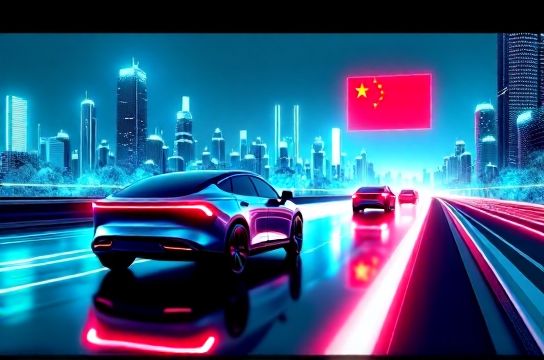
Let’s break it down with real data. In 2023, China produced over 7 million EVs—more than 60% of the world’s total. Compare that to Europe (~2.5M) and the U.S. (~1.4M), and the gap is undeniable. But what really sets China apart? Two words: battery innovation and supply chain control.
Why China’s EV Ecosystem Is Unmatched
While Western automakers struggle with fragmented suppliers and policy uncertainty, China has built a fully integrated ecosystem. From lithium refining to final assembly, everything happens locally. This cuts costs, speeds up R&D, and gives Chinese brands like BYD, NIO, and XPeng a massive edge.
Batteries make up nearly 40% of an EV’s cost—and here, China owns the game. It controls over 80% of global cathode production, 65% of lithium refining, and 90% of graphite processing. No other country even comes close.
| Region | EV Production (2023) | Battery Capacity Mfg Share | Key Players |
|---|---|---|---|
| China | 7.2 million | 75% | BYD, CATL, NIO |
| Europe | 2.5 million | 10% | VW, Stellantis, Northvolt |
| United States | 1.4 million | 8% | Tesla, GM, Ford |
Take CATL, the world’s largest battery maker. It supplies Tesla, BMW, and Ford—but also powers 50% of all EVs sold in China. Their new Condensed Battery, unveiled in 2023, offers 500 km range in under 10 minutes of charging. That’s next-gen EV performance we’re all waiting for.
Policies That Fuel Growth
China didn’t get here by accident. Since 2009, it’s poured billions into EV subsidies, charging infrastructure, and R&D grants. Today, there are over 8 million public chargers nationwide—five times more than the U.S. The government also mandates that 40% of new car sales be NEVs (New Energy Vehicles) by 2025. With local governments offering tax breaks and license plate incentives, adoption is accelerating.
What This Means for Global Markets
Chinese EVs are now exporting at record rates—up 120% YoY in 2023, mostly to Southeast Asia, Latin America, and Europe. Brands like BYD are undercutting Tesla on price while matching them on tech. In Thailand, BYD Atto 3 is the top-selling EV, priced 20% lower than comparable models.
The bottom line? Whether you're an investor, policymaker, or consumer, ignoring China’s EV momentum is a mistake. Its mix of innovation, manufacturing muscle, and long-term planning makes it the blueprint for future mobility.