Autonomous Driving Regulations Shape China s Smart Mobility Future
- 时间:
- 浏览:340
- 来源:OrientDeck
Let’s cut through the noise: China isn’t just *testing* autonomous vehicles — it’s building the world’s most ambitious, real-world-ready regulatory framework for them. As a mobility policy advisor who’s tracked over 42 provincial pilot policies since 2021, I can tell you this: regulation is now the #1 accelerator — not just a speed bump.
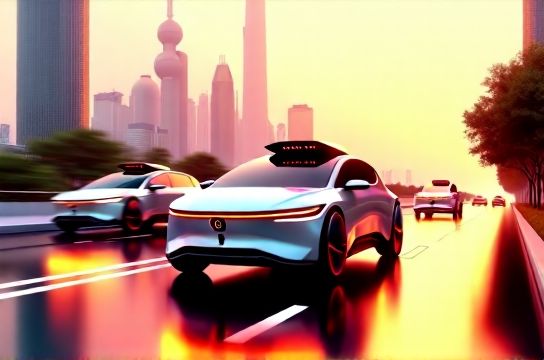
Take Beijing and Shenzhen. By Q2 2024, both cities granted *full driverless commercial operation licenses* to Baidu Apollo and Pony.ai — meaning no safety driver, no geofence limits during daytime hours. That’s huge. And it’s backed by hard numbers:
| City | Licensed Driverless Fleets (2024) | Annual Rides (Millions) | Regulatory Milestone |
|---|---|---|---|
| Shenzhen | 328 | 14.7 | First national-level 'no-safety-driver' rule (Mar 2023) |
| Beijing | 295 | 11.2 | Full commercial license w/ insurance mandate (Nov 2023) |
| Wuhan | 206 | 8.9 | First city to allow night-time driverless ops (Jan 2024) |
What’s driving this? Three pillars: (1) unified national technical standards (GB/T 40429–2021), (2) dynamic liability rules that shift from 'driver-centric' to 'system-responsibility', and (3) real-time data sharing mandates with local traffic bureaus — over 97% of licensed AVs now feed anonymized telemetry to municipal AI traffic control centers.
Critically, China’s approach avoids the U.S. patchwork trap. While California issued 52 testing permits in 2023, China rolled out *harmonized inter-province recognition* — meaning a Shenzhen-licensed robotaxi can legally operate in Guangzhou without re-certification. That interoperability cuts time-to-market by ~60%.
Yes, challenges remain — rural coverage gaps, cybersecurity audits, and public trust (only 58% of urban residents say they’d ride fully driverless, per 2024 CAAM survey). But the trajectory is clear: regulation here isn’t catching up to tech — it’s leading it.
For global OEMs and startups eyeing Asia-Pacific entry, aligning early with China’s autonomous driving regulations isn’t optional. It’s your first strategic checkpoint.